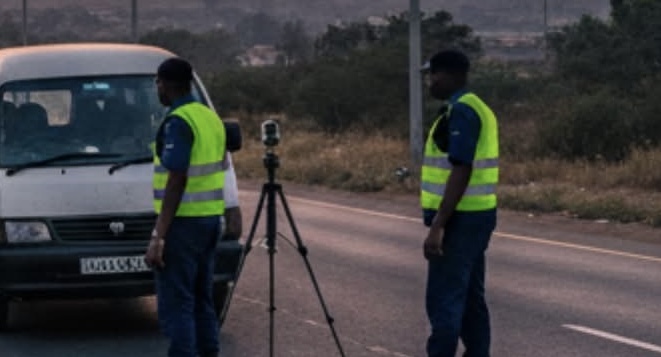
The Zimbabwe Republic Police (ZRP), in conjunction with the Ministry of Transport and Infrastructural Development, has launched a massive nationwide road safety enforcement drive, deploying cutting-edge technology to major highways and urban corridors this weekend.
The initiative aims to curb two of the country’s biggest road safety hazards: drunk driving and excessive speeding.
The rollout introduces state-of-the-art speed trap cameras, digital breathalysers, and camera-fitted highway patrol units capable of flagging and logging traffic violations in real time. This technological leap builds directly on the National Speed Monitoring System (NSMS) launched in September 2026, which uses real-time IoT tracking on public service vehicles across key transit routes.
To complement the police crackdown, the Vehicle Inspectorate Department (VID) is unveiling a new fleet of operational vehicles. The units will bolster roadside vehicle fitness checks, tackle unroadworthy transport, and coordinate joint enforcement blitzes nationwide.
The nationwide drive has quickly made its presence felt across Matabeleland North. In Hwange, police have established active speed traps along major thoroughfares — including stretches where explicit speed limit signage is sparse or currently missing.
Under Zimbabwean road regulations, statutory default speed limits apply when posted signs are absent (typically 60 km/h within urban or built-up municipal zones and 120 km/h on open wide-mat highways, unless local conditions dictate otherwise). Driving blind to these default thresholds has caught several local drivers off guard.
Local transport groups and law-abiding citizens are urging all motorists to exercise extreme caution, adhere strictly to statutory limits even without visible roadside signs, and prioritize safety above all.
“Road safety isn’t just about avoiding a fine; it’s about making sure everyone gets home alive,” noted one Hwange commuter representative. “Whether a sign is visible or not, keeping your speed down is every driver’s personal responsibility.”
Key Driver Safety Takeaways
Know the Default Limits: Assume 60 km/h in built-up areas and 80–100 km/h on suburban approaches unless signs explicitly state higher limits.
Expect Digital Checks: Fixed cameras and mobile patrol units are recording speeds dynamically day and night.
Zero Tolerance for Drunk Driving: High-precision digital breathalysers are now active at all major highway checkpoints