

Insights from Recent Community Meeting
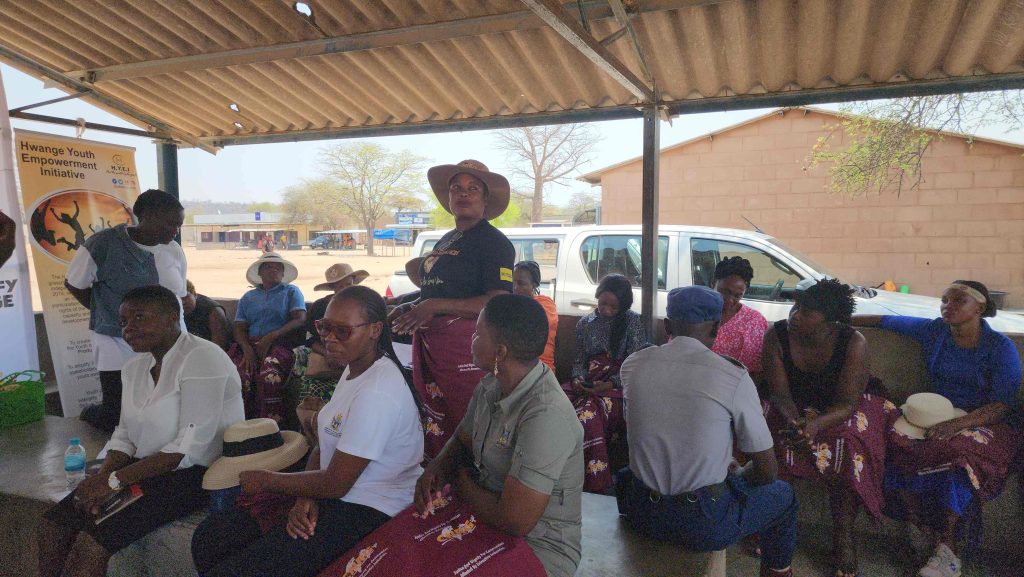
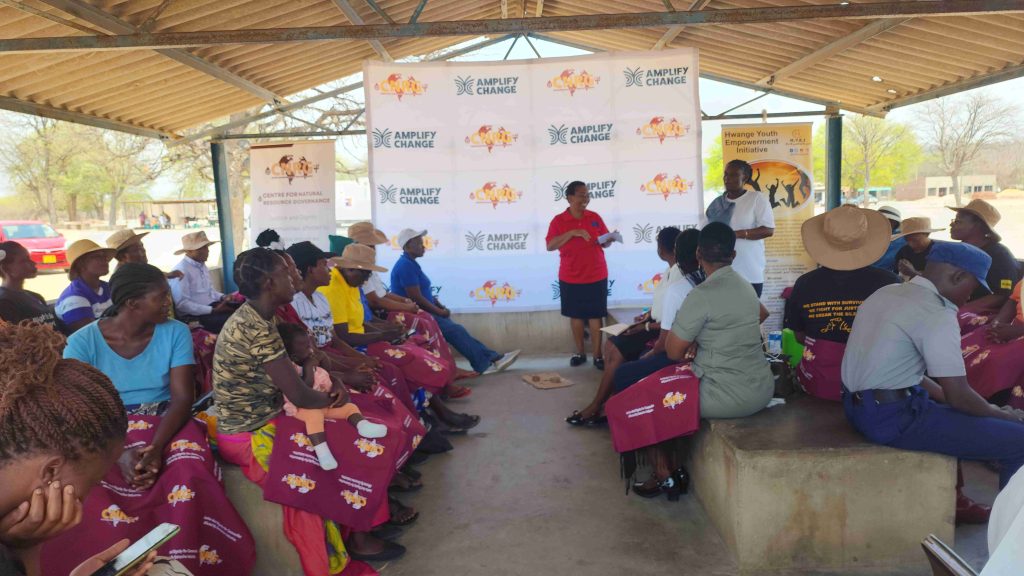
In a recent session focused on gender-based violence (GBV), Mrs. Hlatshwayo, in partnership with the Community Network for Rebuilding Governance (CNRG), engaged attendees in a vital discussion about the impact of online behavior and cultural practices on women’s lives. This meeting provided a platform for community members to voice their concerns and seek guidance on pressing issues.
What is Gender-Based Violence?
Gender-based violence refers to harmful acts directed at individuals based on their gender. It encompasses a range of abuses, including physical, sexual, and psychological harm, often rooted in gender inequality and discrimination. Understanding GBV is crucial in addressing its prevalence and advocating for the rights of those affected.
Key Discussions
- Responsible Use of Social Media:
Mrs. Hlatshwayo emphasized the importance of using the internet and social platforms responsibly. She urged participants to refrain from posting content that demeans women, asserting that such actions can damage relationships and reduce women’s standing in the community. Instead, she encouraged a culture of praise and support among women, fostering a more positive environment. - Addressing Disrespectful Behavior in Children:
A participant raised concerns about children exhibiting mischievous and disrespectful behavior towards their parents. Mrs. Hlatshwayo advised that if a child becomes uncontrollable, parents could report the situation to the nearest police station in Hwange, specifically Room 1, which facilitates counseling sessions. If necessary, this room can also assist in obtaining an eviction order for the child. - Cultural Practices and GBV:
Questions arose regarding the cultural practice known as “yikusokwa,” and whether it could be classified as gender-based violence. Mrs. Hlatshwayo clarified that while culture is important, it should not cause harm to individuals. She specifically addressed issues like genital mutilation, which is classified as GBV and is prohibited by the constitution when it poses harm to individuals. - Police Response to GBV:
Concerns were voiced about the police’s handling of GBV cases, with participants expressing frustration over inadequate responses. It was noted that if complaints are not taken seriously, individuals should escalate the matter. One participant reminded the group that not all police officers are corrupt or dismissive and that some are genuinely committed to addressing GBV. - Understanding Cyber Protection Laws:
Another participant inquired about the Cyber Protection Act. The law, drafted under the Potraz data act, aims to protect the public from misinformation and harmful online behavior without prohibiting the use of social platforms.
Insights from the Zimbabwe Republic Police
A representative from the Zimbabwe Republic Police highlighted critical forms of gender-based violence, including:
- Physical abuse
- Inappropriate handling by male figures
- Aggravated indecent assault
- Rape
- Engaging with minors below the age of consent
- Early child marriages
- Genital mutilation
All of these offenses can be reported at any time, as police stations operate 24/7, ensuring that victims have access to help whenever needed.
Community Engagement
This meeting provided the women of St. Mary’s Hwange a valuable opportunity to share their experiences and challenges related to community issues, social ills, and interactions with security forces. By fostering open dialogue, the session aimed to empower participants and promote awareness of gender-based violence, encouraging them to take action and seek help when needed.
As the conversation around gender-based violence continues, it is crucial for communities to engage in discussions that illuminate the issues, support victims, and work towards a safer, more equitable environment for everyone. Understanding the dynamics of GBV and fostering a culture of respect and support among individuals can make a significant difference in combating this pervasive issue