
As power outages and energy demands continue across Zimbabwe, Liquefied Petroleum Gas (LPG) has transformed from a backup option into a primary household and commercial necessity. For thousands of entrepreneurs, opening an LPG filling station presents a lucrative venture. However, operating an informal or unlicensed “backdoor” gas operation carries severe financial and legal risks.
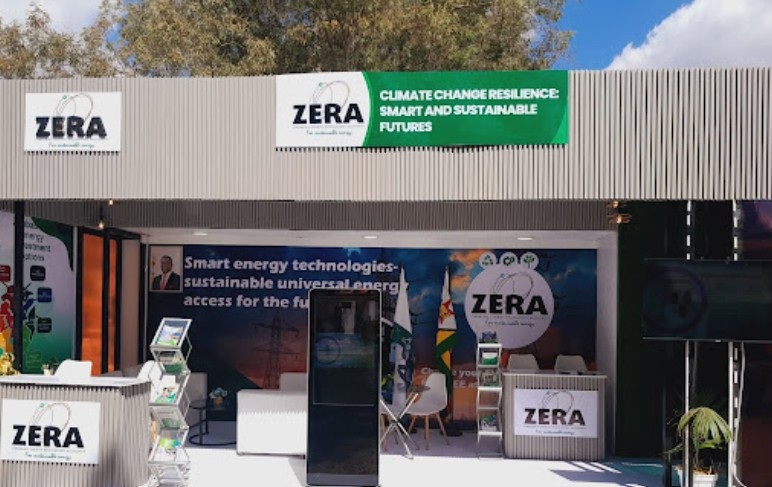
Navigating the regulatory landscape—governed by local authorities, the Fire Department, the Environmental Management Agency (EMA), and the Zimbabwe Energy Regulatory Authority (ZERA)—is essential for sustainable business growth.
Step-by-Step Guide: How to Get Licensed
Obtaining an LPG retail license in Zimbabwe follows a sequential pipeline. ZERA will only accept and issue a final operating license after an operator secures prerequisite clearances from local regulators.
1. Local Authority Clearance (Land Use & Plan Approval) --> 2. Fire Brigade Inspection (Safety & Extinguishers) --> 3. EMA Certification (Environmental & Hazard) --> 4. ZERA Final License (National Retail Permit)Step 1: Local Authority Development & Occupation Permit
- Action: Apply to your local Municipal Council or Town Board (e.g., Harare City Council, Victoria Falls Municipality, Hwange Local Board) for land allocation or change-of-use approval.
- Requirements: Submit engineered site plans showing that your cage or filling station meets standard set-back distances (away from residential walls, roadways, and public gathering points). Obtain a Certificate of Occupation.
Step 2: Municipal Fire Department Clearance
- Action: Request a formal fire safety inspection from the local fire authority.
- Requirements: Install approved 9kg dry chemical powder fire extinguishers near the decanting point, display clear safety signage (“No Smoking,” “No Open Flames”), and ensure unobstructed emergency exits. Upon passing, the Chief Fire Officer issues a Fire Clearance Certificate.
Step 3: Environmental Management Agency (EMA) Clearance
- Action: Register your premises with EMA for dangerous substances management.
- Requirements: Conduct a basic environmental risk assessment, ensuring the site is protected against ground contamination, static electricity ignition risks, and unvented vapor traps.
Step 4: Scale Stamping & Calibration
- Action: Submit all digital or mechanical gas refilling scales to the Trade Measures Inspectorate (Weights and Measures Department) to ensure verified weight outputs.
Step 5: Final ZERA Retail Licensing
- Action: Submit your application form to ZERA accompanied by:
- Business Registration Certificate (CR14/CR6 and Company Incorporation)
- Proof of premise ownership or valid lease agreement
- Local Authority Certificate of Occupation
- Fire Brigade Clearance Certificate
- EMA Clearance Certificate
- Certificate of Adherence to ZWS 960 standards issued by an accredited LPG installer
| Regulatory Agency | Estimated Cost (USD) | Payment Frequency | Key Notes & Fee Scope |
| ZERA (Zimbabwe Energy Regulatory Authority) | $200 | Annual Renewal | Covers the annual LPG Retailer License. Issued per specific retail site. |
| EMA (Environmental Management Agency) | $100 – $250 (approx) | Annual Renewal | Hazardous Substances License (Class 3 / Flammable Gases). Varies depending on total gas storage capacity ($kg$). |
| Local Authority (City / Town Council) | • $150 – $350 (Plan Approval) • $200 – $600+ (License) | • Once-off (Plan) • Annual Renewal (Permit) | Includes initial Building/Development Plan Approval (once-off), followed by an annual Operating / Shop License (varies by municipality). |
| Fire Department (Municipal Fire Brigade) | $50 – $150 | Annual Renewal | Covers pre-licensing site inspection and issuance of the annual Fire Clearance Certificate. |
| Trade Measures (Weights & Measures) | $30 – $60 (per scale) | Annual Renewal | Mandatory annual scale testing and stamping for decanting units. |
The Strategic Advantages of Professionalizing Your LPG Business
While informal trading may seem cheap initially, formal compliance unlocks long-term commercial value:
- Unrestricted Market Access: Licensed retailers can secure bulk supply contracts directly with major, reputable wholesalers rather than relying on illegal, erratic back-alley suppliers.
- Corporate & Commercial Clients: Restaurants, hotels, safari lodges, and schools require official tax invoices and safety-compliant vendors. Licensing opens doors to lucrative B2B supply contracts.
- Bankability & Business Financing: Registered, fully compliant operators can access bank loans, asset financing for digital scales, and commercial insurance policies that protect against fire loss or property damage.
- Consumer Trust & Brand Loyalty: Customers prefer buying from branded, professionally equipped sites where they know scales are calibrated fairly and cylinders are handled safely.
The Cost of Non-Compliance: Penalties & Legal Enforcement
The Government of Zimbabwe regulates the LPG sector under the Petroleum Act [Chapter 13:22], Statutory Instrument 57 of 2014, and SI 90 of 2021. Enforcement agencies routinely launch joint taskforce crackdowns, resulting in severe penalties:
| Regulatory Authority | Nature of Offense / Non-Compliance | Legal Penalty / Statutory Fine |
| ZERA | Operating an LPG retail or decanting site without a valid license. | Up to 5 years imprisonment, a Level 9 fine (up to US$600 equivalent), or both. Seizure of gas cylinders and equipment. |
| ZERA (SI 90 of 2021) | Overcharging above ZERA price caps or failing to display prices on a prominent board. | Up to 5 years imprisonment or Level 9 fine. Unlawful stock withholding leads to immediate site closure. |
| ZERA (SI 90 of 2021) | Refusing or failing to issue official receipts to customers. | Level 5 fine or up to 2 years imprisonment. |
| Local Authorities | Unlicensed trading, illegal structures, or erecting mesh cages without approved building plans. | Immediate confiscation of assets, demolition of illegal structures, and heavy municipal council fines. |
| Fire Department | Operating without fire extinguishers or failing annual fire safety audits. | Immediate prohibition orders shutting down operations until compliance is met. |
| EMA | Storing dangerous hazardous substances without environmental authorization. | On-the-spot administrative environmental fines and court summonses. |
The Bottom Line
Operating an unlicensed LPG business is a high-risk gamble that risks prison sentences, heavy fines, and catastrophic fire liability. By following the regulatory steps with local councils, EMA, the Fire Brigade, and ZERA, retailers protect their capital, build customer trust, and position their enterprises for sustainable growth in Zimbabwe’s booming energy market.


2 Comments
I’m interested need more information would like to apply for the lisence
Visit Local board offices they will soon be allocating sites for interested persons. They will register your details and contact you when these site areas are successfully identified