
Urgency of Transitioning to Clean Energy
Date: 28th October 2025
Location: Hwange, Zimbabwe
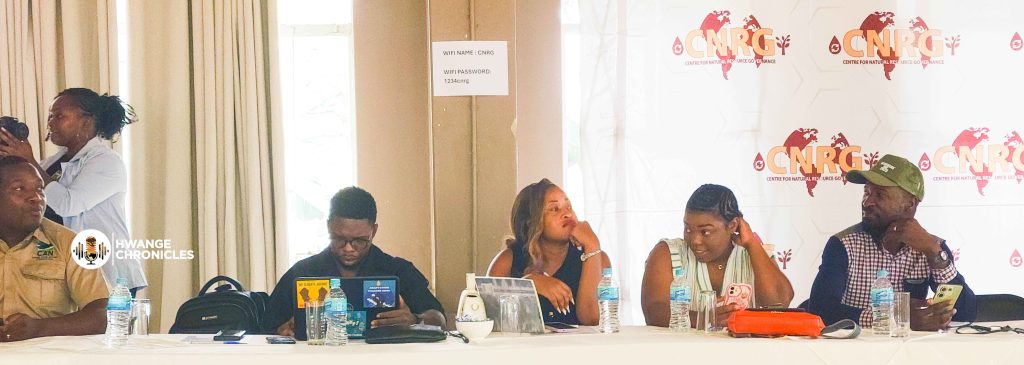
During the recent CNRG Renewable Energy Transition Forum, Tinashe Raphael Matika delivered a compelling presentation on the urgent necessity for stakeholders in Hwange to embrace a clean energy future. As a region abundant in coal, Hwange plays a crucial role in Zimbabwe’s energy production, yet it also faces significant challenges related to climate change and greenhouse gas emissions.
Acknowledging the Urgency
Matika emphasized that Zimbabwe is already experiencing the harsh impacts of climate change, including erratic rainfall, prolonged droughts, and rising temperatures. “Despite our coal wealth, we must recognize the pressing need to transition to renewable energy sources,” he stated. This transition is vital not only for reducing emissions but also for safeguarding the livelihoods of communities and workers reliant on the coal economy.
Just Energy Transition
A key theme of Matika’s presentation was the concept of a just energy transition. He articulated that this involves moving away from fossil fuels while ensuring that the needs of affected workers and communities are prioritized. “Inclusive planning, capacity building, and investment in renewable technologies are essential for a successful transition,” he explained.
Objectives of the Forum
The forum aimed to achieve several objectives:
- Facilitate Dialogue: Engage key stakeholders on the implications and opportunities of a just energy transition in Hwange.
- Promote Awareness: Raise awareness about renewable energy technologies and strategies for climate change mitigation.
- Identify Gaps: Highlight policy gaps and community needs to inform inclusive energy transition planning.
- Strengthen Partnerships: Foster collaboration between government, private sector, civil society, and local communities.
- Develop a Roadmap: Create a community-driven roadmap for renewable energy initiatives in Hwange.
Methodology for Engagement
To achieve these objectives, Matika outlined a comprehensive methodology:
- Stakeholder Mapping & Mobilization: Identifying and engaging key actors, including government agencies, mining companies, local authorities, NGOs, academia, and community leaders.
- Consultative Workshops: Hosting interactive workshops to explore the socio-economic and environmental dimensions of the energy transition, share best practices, and gather input for policy recommendations.
- Presentations and Discussions: Providing insights on climate policy, energy economics, and community development while discussing regulatory frameworks and investment incentives.
Matika’s presentation underscored the critical need for a coordinated and inclusive approach to renewable energy transition in Hwange. By fostering dialogue and collaboration among stakeholders, the region can develop a sustainable energy future that not only addresses climate change but also respects and uplifts the communities involved.
As the event concluded, participants were encouraged to take actionable steps towards implementing the insights gained, ensuring that Hwange leads the way in the transition to a cleaner, more sustainable energy landscape.