
By Sharmaine Vera
HWANGE, ZIMBABWE – In a historic step towards balancing its status as the bedrock of Zimbabwe’s coal economy with global environmental standards, the Hwange Rural District Council (HRDC) recently hosted its first-ever Environmental Sustainability Monograph development workshop.
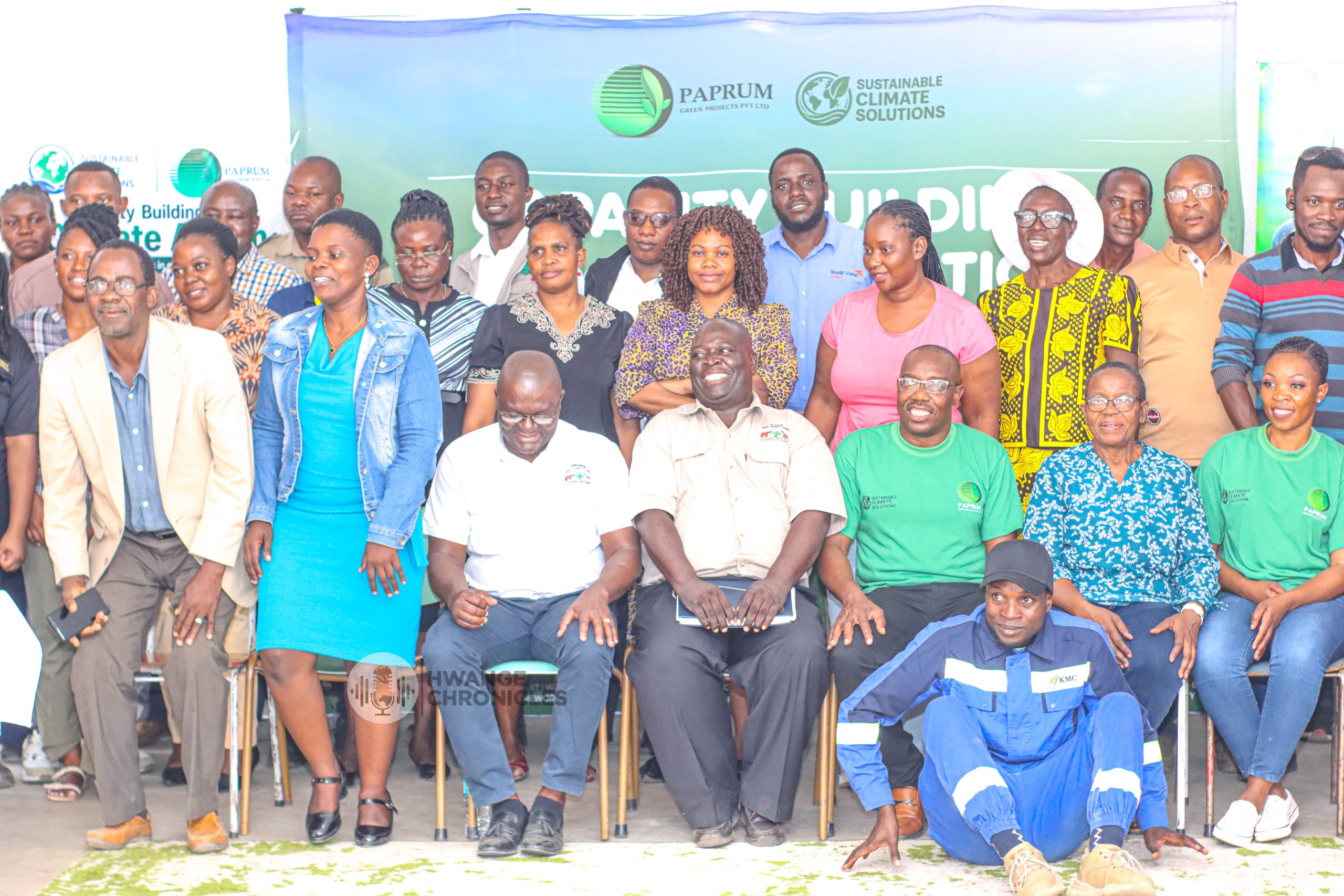
The intensive three-day capacity-building event, held from May 12 to 14, 2026, at the Chimunuko Conference Center (St. Mary’s), brought together a powerful coalition of local authorities, government bodies, and traditional heavyweights from the mining and energy sectors to forge a unified climate response.
Conducted in partnership with Sustainable Climate Solutions and PAPRUM Green Projects Pvt Ltd, and with heavy technical backing from the Environmental Management Agency (EMA), the workshop marked a definitive shift from mere environmental dialogue to actionable, fundable local project planning.
A Unified Front Against Pollution
The event drew an impressive turnout of over 45 key stakeholders across the three days. Crucially, the entire Rural District Development Committee (RDDC)—a statutory body central to district planning—was in full attendance.
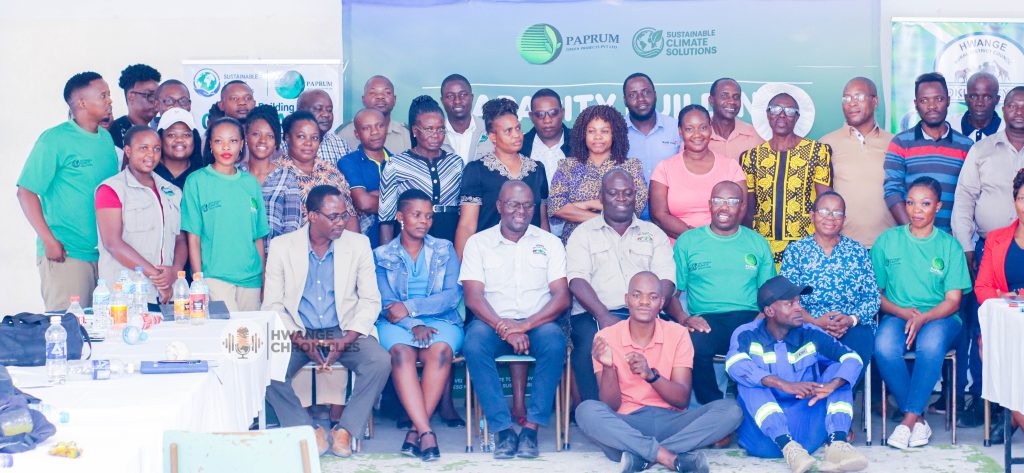
Representatives from industry giants such as the Zimbabwe Power Company (ZPC) and Makomo Resources sat alongside officials from ZimParks, the Hwange Local Board, the Ministry of Health and Child Care, the Office of the President and Cabinet, and local civil society organizations.
According to organizers, this broad representation was vital for creating a “solid, unified approach” to the environmental challenges unique to Hwange, where coal mining and power generation drive the economy but also burden the local ecosystem with air pollution, land degradation, and heavy emissions.
Turning Emissions into Assets: The Carbon Credit Frontier
A major highlight of the workshop, facilitated by lead expert Dr. A. Sibanda, was exploring how Hwange can lead in the monetization of carbon and nature credits. With Zimbabwe preparing for NDC3.0 (Nationally Determined Contributions) and Article 6 readiness under the Paris Agreement, the dialogue focused heavily on how the local authority can guide private sector players to capitalize on green finance.
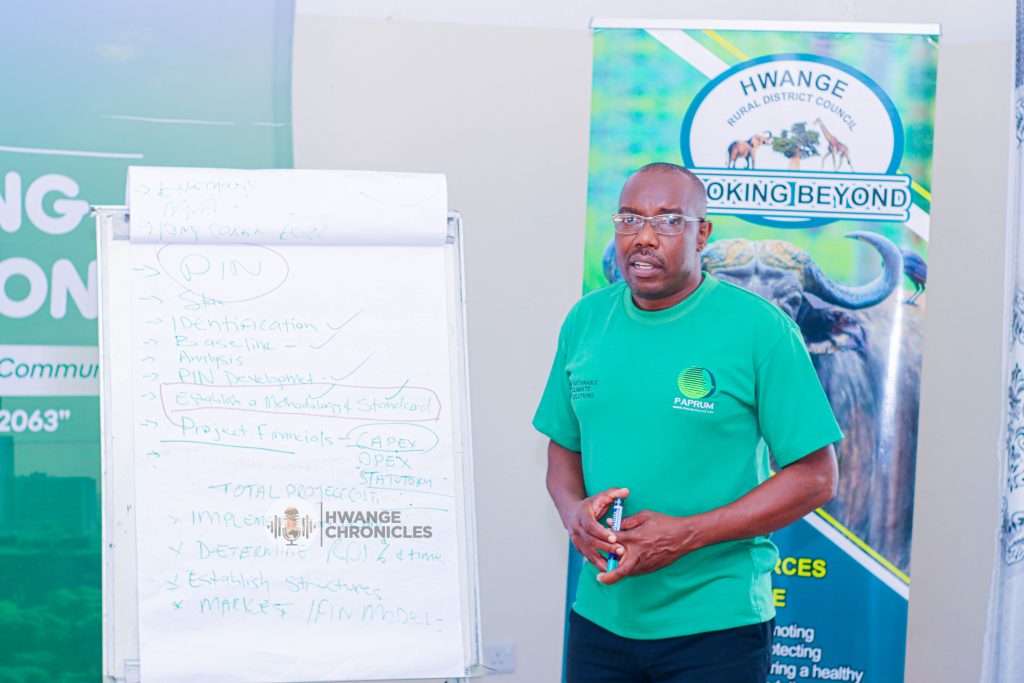
Participants analyzed the emissions and effluents emanating from the district’s booming mining sector. Instead of viewing these strictly as liabilities, the workshop unpacked how local authorities can spearhead frameworks where mines co-invest in verifiable carbon-offsetting projects. This aligns directly with global Environmental, Social, and Governance (ESG) frameworks and green finance mobilization strategies displayed on the event’s core agenda.
Three Days of Practical Diagnosis and Solutions
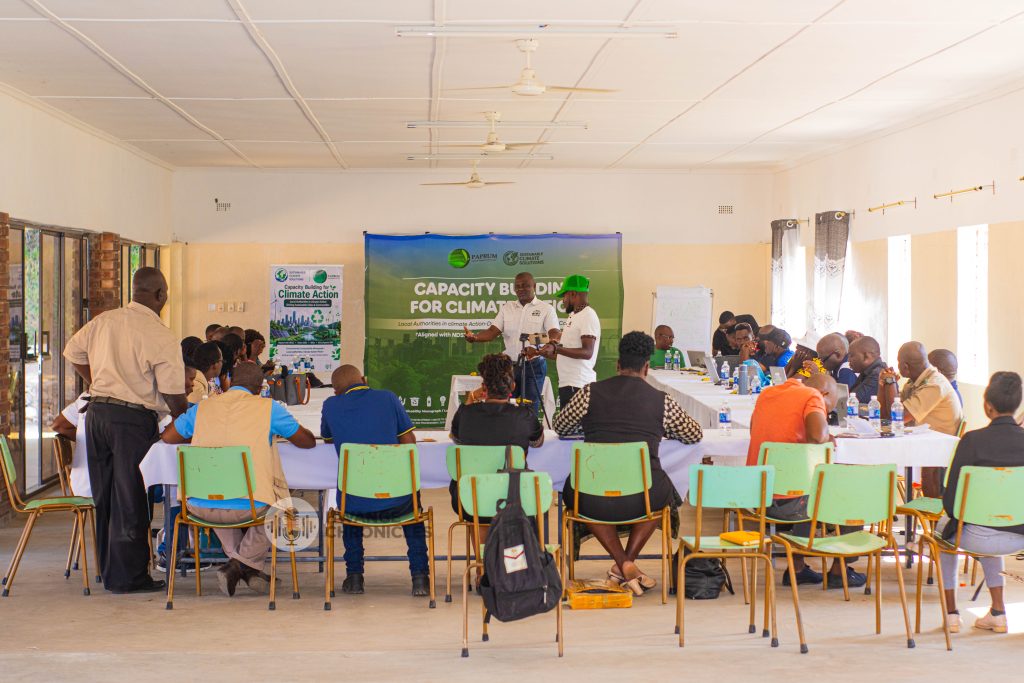
The workshop was strategically structured to move participants from diagnosing localized issues to mastering international climate frameworks.
- Day 1: Diagnosing the Crisis: Discussions centered on the district’s severe environmental pressures, including an alarming estimated land loss of 400 hectares annually due to mining operations and deforestation. Gaps in handling complex, non-biodegradable waste streams—such as sanitary waste—were also highlighted as urgent concerns.
- Day 2: Grassroots Innovation: Utilizing the Logical Framework Approach (LFA), participants formed sector-based groups to design community projects. The highlight of the day was a live practical demonstration of a “rocket stove.” The model proved to reduce wood consumption by 40% to 60%, significantly lowering smoke emissions and cooking time. Stakeholders noted this as an immediate, scalable solution to curb the rampant deforestation caused by firewood and illegal charcoal trading (abantu abagamula amalahle) in the region.
- Day 3: Unlocking the Markets: The final day focused on the economic viability of climate projects. Attendees were trained in drafting Project Idea Notes (PINs) and navigating the bankability of green hydrogen initiatives, bio-credits, and robust Measurement, Reporting, and Verification (MRV) systems.
Voices from the Ground
The urgency of the workshop was captured in the candid insights shared by participants during the sessions:
“We still don’t have proper equipment to dissolve waste like pampers and pads. We can’t keep managing symptoms. We need to deal with the problem.” — Workshop Participant on Waste Management
“Coal is Hwange’s economy, but it can’t be the only option forever. The question is how we transition without leaving people behind.” — Delegate on Just Energy Transitions
The Road Ahead
The immediate call to action following the workshop is the finalization of the Hwange Environmental Sustainability Monograph. Coordinated by HRDC’s Environment and Natural Resources Officer, Mr. N. Ncube, the information gathered with assist in coming up with a strategic roadmap for the district.
The monograph will map how Hwange’s local climate targets fit into Zimbabwe’s National Development Strategy 2 (NDS2), Vision 2030, the UN Sustainable Development Goals (SDGs), and Africa Agenda 2063.
By prioritizing four immediate action areas—community-led reforestation, scaling efficient institutional cookstoves, launching a waste-technology feasibility study, and creating a dedicated ESG private-sector engagement platform—Hwange is positioning itself as a pioneer. The message from the three-day convention was clear: Hwange is ready to protect both its community’s health and its economic future by moving decisively from blueprint to action.
One Comment
Powerful to see Hwange having these conversations. The balance between protecting livelihoods and preparing for a sustainable future is a critical conversation for mining communities.
The writer managed a complex, technical topic and made it clear, grounded, and relevant to everyday people while still showing the broader economic picture.