

By Nyoni Tatenda K
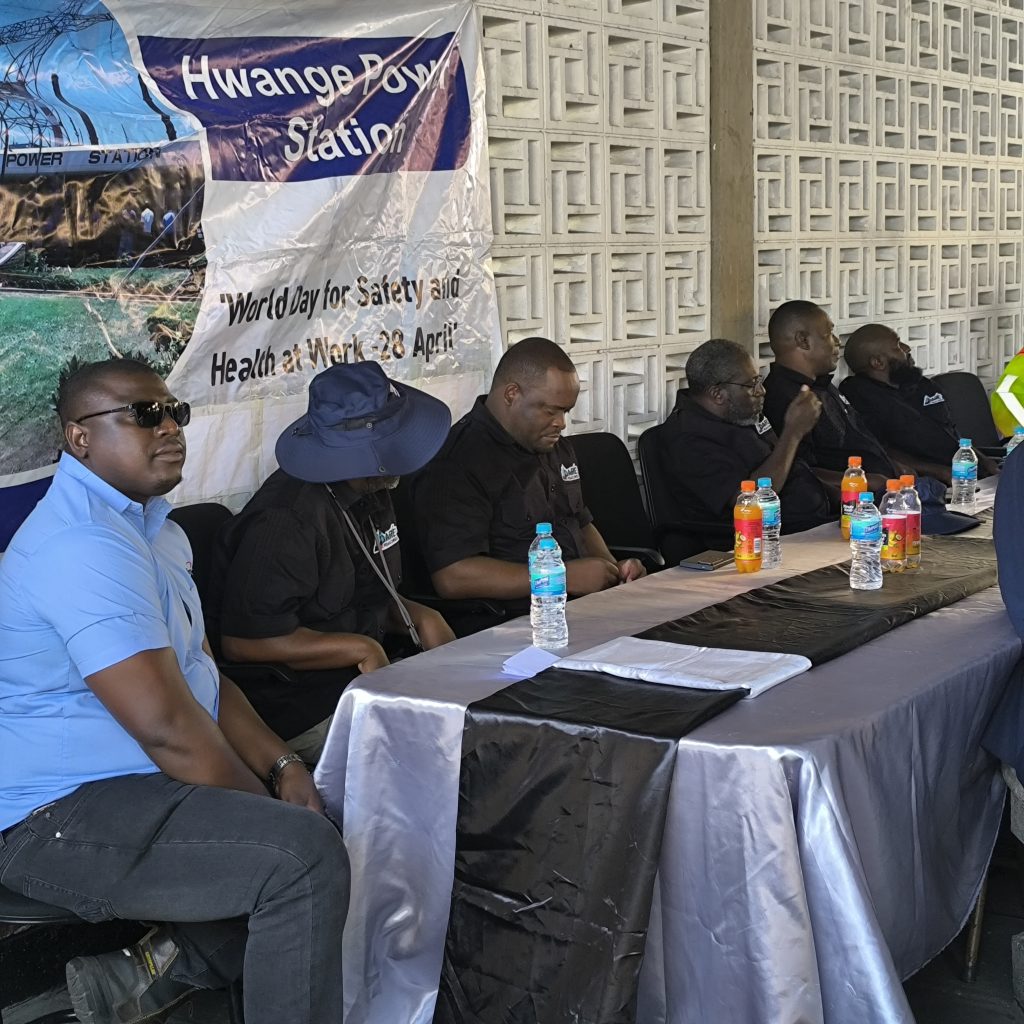
The atmosphere at ZPC Hwange Power Station’s Canteen A was electric this week as the “World Day for Safety and Health at Work” took a sharp, necessary turn into the territory of men’s mental and financial wellbeing. Forget the dry safety manuals; the guest analysts brought “straight talk” that resonated with the hum of the turbines.
The Cost of Living: Habits vs. Heritage
Attorney Arthur Marara didn’t hold back. His message was clear: Financial literacy is the ultimate safety gear.
“No company will ever pay you ‘mari inokwana’ (enough money),” Marara challenged the crowd.
He argued that the “generational curses” many spend time fighting in church are often just the ghosts of bad financial habits. He warned that if the men of today don’t master financial discipline, they will become the very “ancestors” their grandchildren struggle to exorcise. From the dangers of “small houses” to the lack of “zvivindi” (courage) in big decisions, Marara’s call was simple: Stop normalizing being broke and start making quality decisions.
The Construction of a Man: Peace over Pockets
Evangelist Muparinga shifted the focus to the spiritual and domestic foundation. While money is important, Muparinga argued that a man’s true success is measured by the peace in his home.
“It should embarrass a man to be incarcerated for failing to pay maintenance,” he stated, emphasizing that responsibility is the true mark of a father.
He touched on the “artificial” allure of the outside world, reminding the men that the beauty they chase elsewhere is often just an expensive mask, while the “peace” they need is waiting at home—if they invest in their wives. His most striking metaphor? The Mosquito vs. the Elephant. We fear the big things, but it’s the “mosquitoes”—the small, ignored habits and lack of unity—that kill the most families.
The “Bus of Fools” and the Legacy of Longevity
The sessions were peppered with humor that carried a heavy sting. Evangelist Marufu used a sharp joke about a “Bus of Fools” to ask a vital question: Who are you traveling with? He challenged the men to look at their social circles—are your friends encouraging “chihure” (infidelity) or are they helping you protect your “wellspring” at home?
Professor Nyahuma closed the loop with a sobering cultural reality. Statistics show women outlive men by 8 to 30 years.
“Ngoma ndiyo ndiyo (it’s the same old story),” he noted.
His challenge to the Hwange men was a “legacy check”: Will your family be better off when you are gone, or are you currently the “network jammer” stopping your family from progressing while you are still alive?
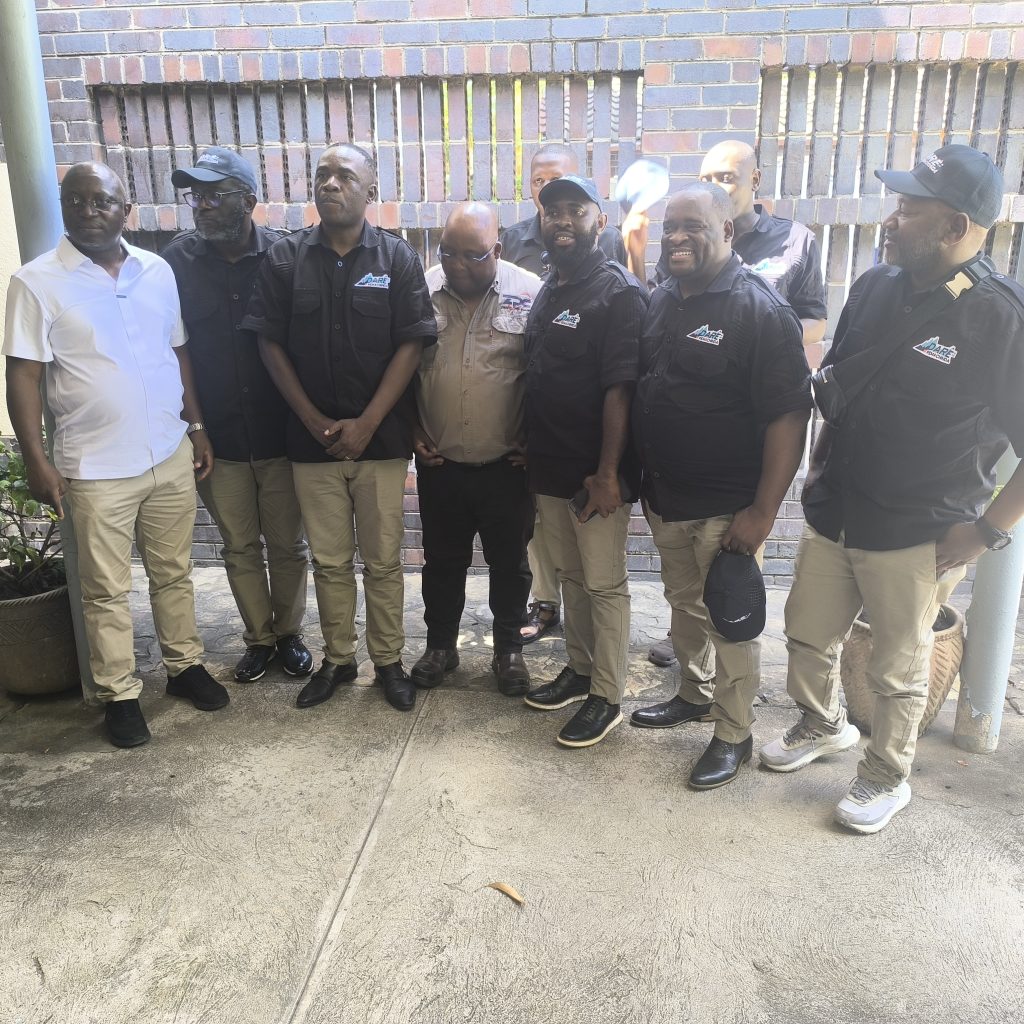
The theme of the day was psychosocial safety, but the speakers proved that you cannot have a healthy mind if your pockets are empty, your home is a war zone, and your friends are driving you toward a cliff.
As the men returned to the Power Station floor, the echoes of the day remained: Be the man who builds a legacy, not the man who becomes a cautionary tale.


One Comment
Well articulated . Thanks much . To God be the glory . Also, we hope they will encourage men to embrace the Lordship of Jesus Christ . The family tree is always clear, we have God at the top with Christ following then the man of the house. Most problems we have are down to this.