
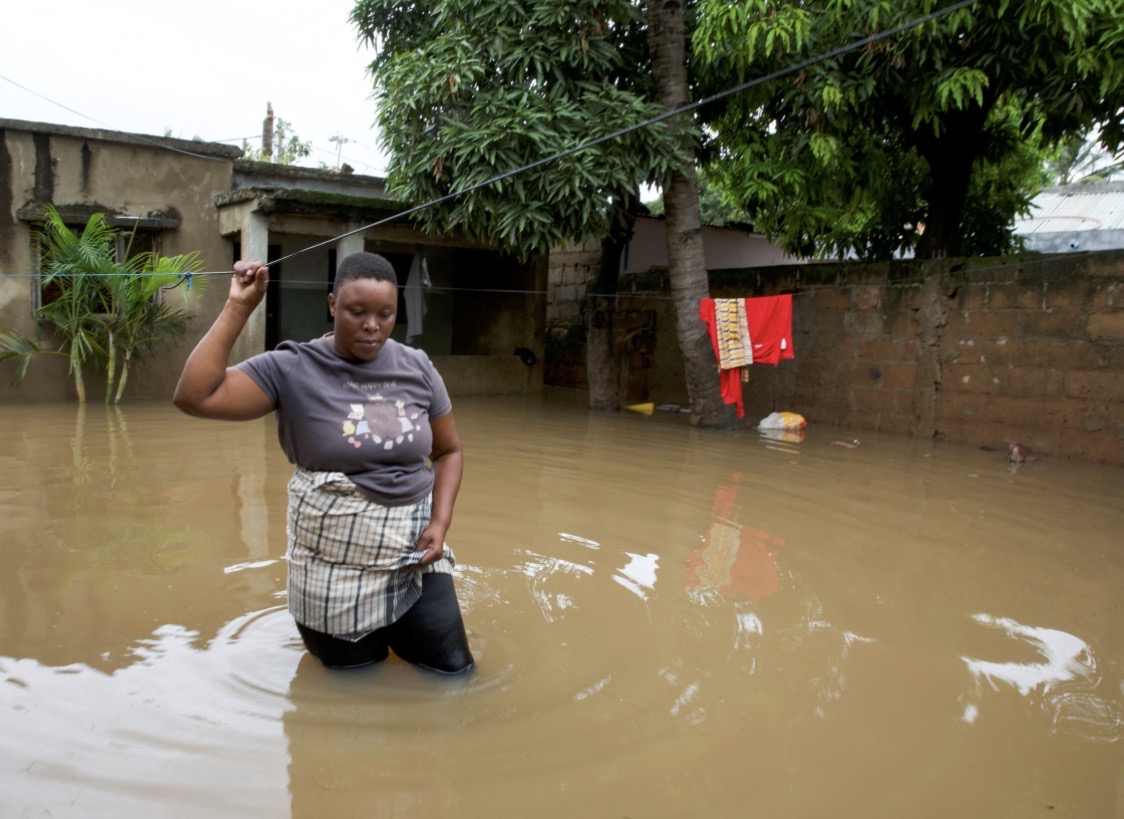
Across Africa, recent years have demonstrated how global climate change is disrupting traditional seasonal expectations. Even when long-range forecasts project dry or drought conditions, shifting atmospheric patterns frequently produce intense, sudden, and localized extreme weather events—leaving behind human tragedy, damaged infrastructure, and property loss.
According to the latest outlook from the Zimbabwe Meteorological Services Department (MSD) and regional predictions from the 33rd Southern Africa Regional Climate Outlook Forum (SARCOF-33), Hwange and the broader Matabeleland North region face an overall hotter and drier-than-average 2026/27 summer season. The forecast indicates normal to below-normal rainfall from October 2026 through March 2027, with delayed or erratic moisture, higher-than-average temperatures, and potential water stress for crops, livestock, and wildlife.
However, as climate change increasingly skews predetermined meteorological models, seasonal averages do not eliminate the threat of severe weather shocks. A overall dry season can still feature sudden, violent storm cells. We have already witnessed this firsthand: on October 8, 2026, Hwange experienced a severe and unexpected hailstorm, followed by another intense localized weather event in Harare on October 22.
These rapid weather shifts reinforce a critical lesson: a forecast for lower overall rainfall does not mean immunity from destructive rain, flash floods, or severe atmospheric downpours.
During previous high-risk rain events, the Zimbabwe Republic Police (ZRP) Matabeleland North Provincial Spokesperson, Inspector Glory Banda (PSRLO), issued vital warnings that remain just as relevant today. He urged members of the public never to attempt crossing flooded rivers or bridges—whether on foot or in a vehicle—to identify safe high ground early when water levels rise, and to immediately switch off electrical power units to prevent electrocution risks.
As Hwange Chronicles, we advise our community to respect official meteorological guidance while remaining vigilant and prepared for sudden extreme shifts. Early preparation and constant awareness are essential to keeping families and property safe.
Extreme Weather & Safety Checklist: How to Stay Ready
To protect your household and community throughout the upcoming season, keep these essential safety guidelines in mind:
1. Pre-Season Preparation & Vigilance
- Monitor Local Updates: Pay close attention to daily and short-term MSD weather alerts, which capture sudden storm formations better than long-term seasonal averages.
- Identify Safe High Ground: Locate elevated, safe routes and gathering points in your neighborhood if your area is prone to flash flooding.
- Maintain Drainage Pathways: Clear gutters, ditches, and drainage channels around your yard and home to prevent rapid water buildup during sudden downpours.
- Secure Emergency Contacts & Documents: Save contact numbers for local emergency services (police, fire, health clinics) and store critical personal documents in waterproof bags or containers.
2. Safety During Severe Rain and Sudden Flooding
- Never Cross Flooded Rivers or Bridges: Do not walk, swim, or drive through swollen rivers or submerged bridges. Shallow, fast-moving water can easily sweep away pedestrians and vehicles alike.
- Move to Higher Ground Quickly: If you notice sudden heavy runoff or rising water levels, do not wait—relocate yourself and dependents to elevated ground immediately.
- Manage Electrical Hazards: If floodwaters begin entering your home or business, safely turn off the main electrical power switch immediately to prevent fires and electrocution.
- Avoid Fallen Utilities: Stay far away from down or damaged power lines and report them to ZETDC or local authorities without delay.
- Monitor Children: Ensure children are supervised and kept away from open drains, riverbanks, and fast-flowing streams.
3. Road & Travel Safety
- Drive to Conditions: During sudden storms, reduce driving speed, keep headlights on, and double your following distance to account for slick roads and reduced visibility.
- Turn Around, Don’t Drown: If a road or crossing is submerged, turn back. Water depth and the condition of the road surface beneath are impossible to gauge accurately from inside a vehicle.
Stay informed, stay vigilant, and share these safety steps with family and neighbors as we navigate the season ahead.