
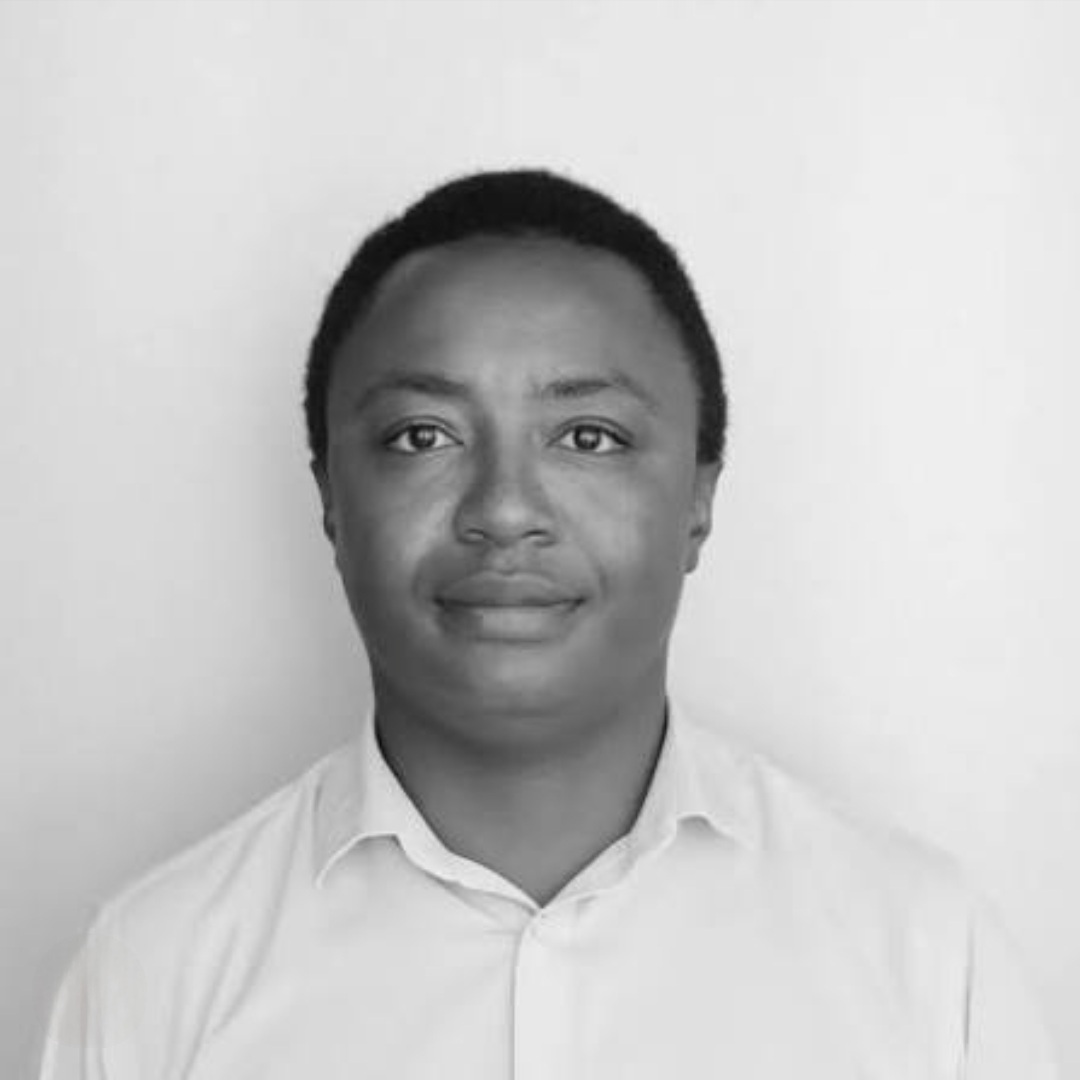
Simbarashe Kundizeza
Zimbabwean author Simbarashe Steyn Kundizeza has firmly denied allegations that he used artificial intelligence (AI) to write his award-winning short story, “The Blue Fighter”, sparking a wider debate about originality, literary creativity and the future of African storytelling in an increasingly AI-driven world.
Kundizeza won the 2026 Caine Prize for African Writing on 6 October in London, receiving £10,000. However, his victory has been followed by questions about whether AI was used to write the story.
The allegations were raised in an article by journalist Vauhini Vara published in The Atlantic on 11 October. The article questioned the story’s authorship after Pangrama an AI-detection tool reportedly identified much of the text as AI-generated.
Responding to the allegations in a statement posted on X, Kundizeza rejected the claims, insisting that The Blue Fighter was entirely his own work.
“For the avoidance of doubt, I wrote ‘The Blue Fighter.’ I did not use generative AI to write it. It is entirely my own work,” he said.
The author also provided a detailed account of the story’s development, arguing that its origins could be traced through a documented writing and editorial process that began long before it was considered for the Caine Prize.
According to Kundizeza, the story took shape during his LOATAD Black Atlantic Residency in Ghana, where he encountered a poem titled my father’s hands by South African poet Vangile Gantsho.
He said the poem inspired him to explore his family’s experiences in Zimbabwe, particularly the economic difficulties they faced after his father left his accounting profession.
Other elements of the narrative, including its characters and setting, were drawn from events in his own life.
Kundizeza explained that he sent the completed first draft to Gantsho for feedback on 15 May 2025 before submitting it to The Shallow Tales Review on 27 May. The story was accepted on 10 June, underwent editorial revisions and was published on 30 June 2025.
He argued that differences between his writing styles should not be taken as proof of AI use, saying writers can explore different subjects and improve their craft over time.
Following the allegations, the Caine Prize organisation confirmed that it had initiated a process to examine the claims. In a statement responding to the controversy, the organisation said it had a responsibility to investigate allegations when they arose, while ensuring that writers were supported throughout the process.
Kundizeza, who also won the 2024 Island Prize for his novel manuscript Freelance, was shortlisted alongside four other African writers: Gladwell Pamba of Kenya, Yasmine Zohdi of Egypt, Akinwande Jordan of Nigeria and Melara Mvogdobo of Cameroon.
His victory was another proud moment for Zimbabwean literature, following NoViolet Bulawayo’s Caine Prize win in 2011.
As the Caine Prize reviews the allegations, Kundizeza’s case has opened up a wider conversation about the place of AI in literature. While technology is changing how people write, concerns remain about how authors can prove their work is original.