
By Lomqhele Nxumalo
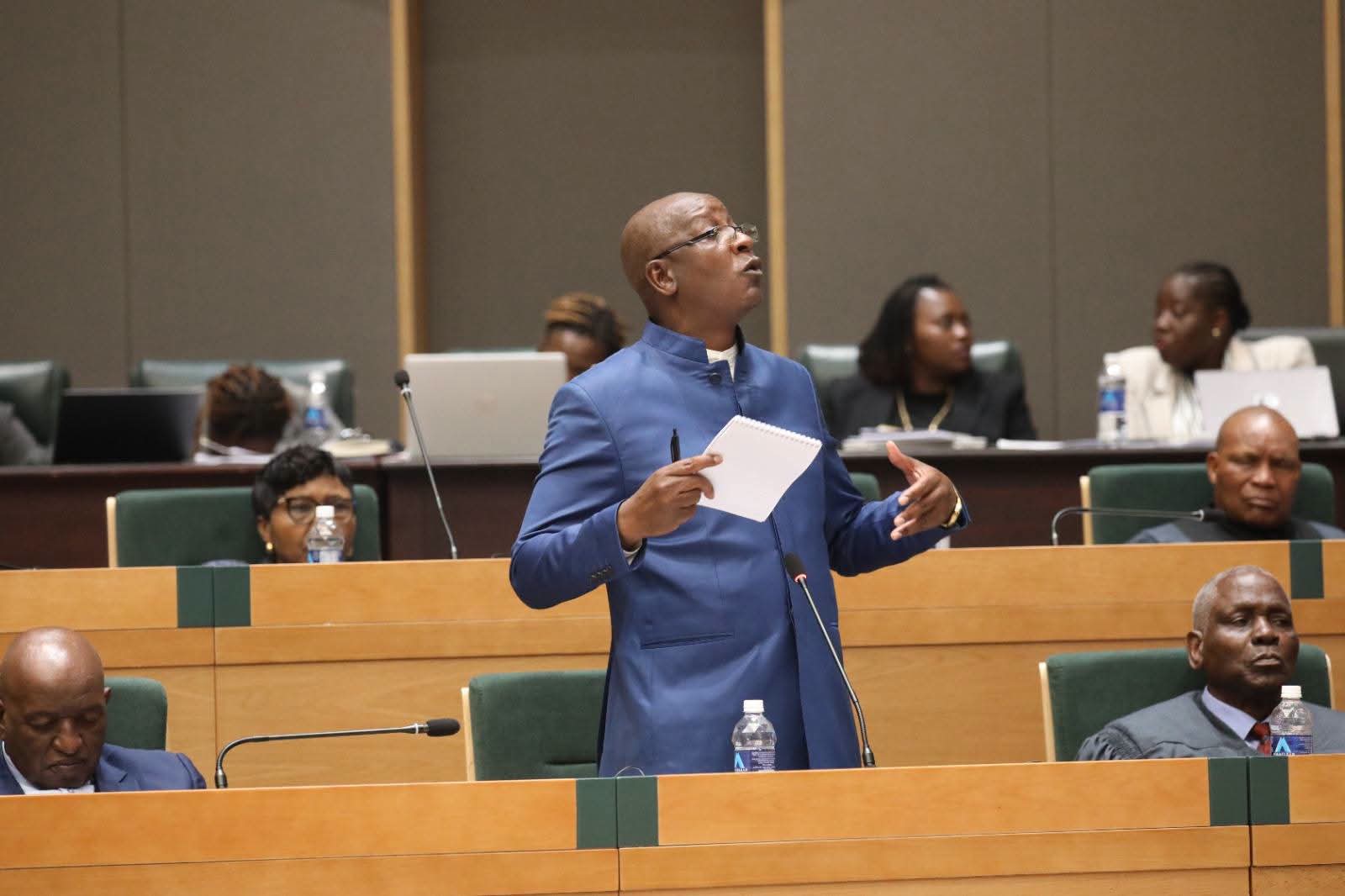
The Senate has passed Constitutional Amendment Bill No. 3 (CAB3) with a large majority, clearing the way for major changes to the country’s governance and voting laws.
During the legislative session on Wednesday the 24th of June, 75 senators voted in favor of the bill, while four voted against it. The final count easily cleared the two-thirds majority of 54 votes required to change the constitution.
The bill passed because it received unexpected support from all political sides. Out of the 27 opposition Citizens Coalition for Change (CCC) senators present, 23 joined the ruling ZANU-PF members to vote for the amendments; a move that Information Secretary Nick Mangwana praised on social media as “the hallmark of a mature democracy.”
CAB3 introduces several major changes to Zimbabwe’s political system. The bill extends the terms of office for both the president and parliament from five years to seven years. As a result of this change, the next national elections will move from 2028 to 2030, allowing President Emmerson Mnangagwa to stay in office during this extended time.
Additionally, the bill changes how the president is elected. Instead of citizens voting directly in a general election, parliament will now elect the president. The bill also allows the president to appoint 10 extra senators based on their professional experience, and creates an independent commission to handle voting boundaries.
Although the National Assembly and the Senate have both voted to pass the bill, parliamentary business is not yet complete. Minister of Justice, Legal and Parliamentary Affairs Ziyambi Ziyambi clarified that the bill must first return to the National Assembly for a final vote to approve the amendments made by the Senate. Once both houses agree on the final text, the bill will go to the President for assent and become law upon publication in the Government Gazette.