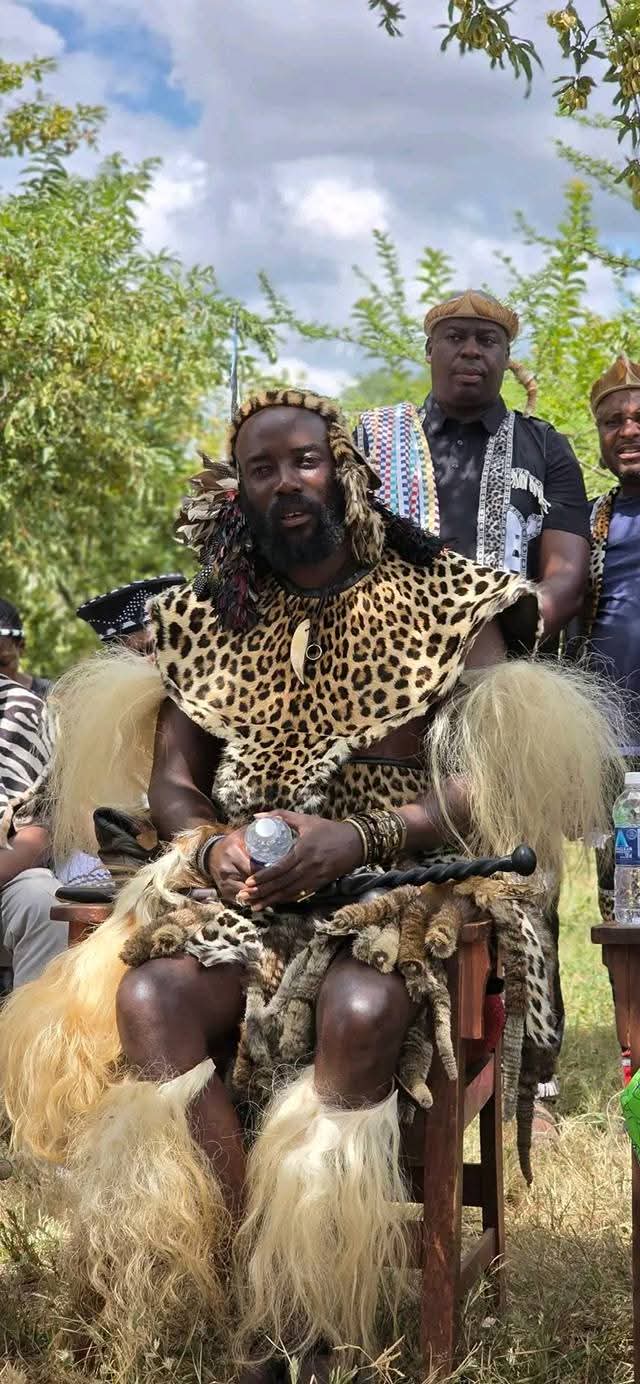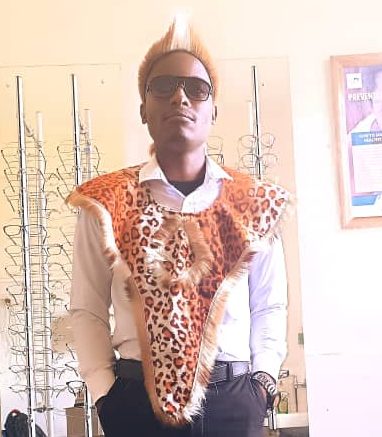
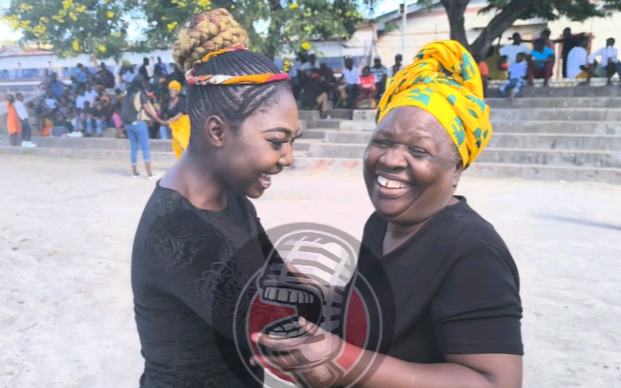
As the countdown ticks closer to Monday 25 May 2026, an electric energy is building across Hwange. The destination is the Old Ground, and the occasion is a vibrant, unapologetic celebration of Africa Day.
But this year’s preparations carry a weight far deeper than just a single day of dance and festivities. It is a deliberate, powerful movement to reclaim a rich cultural heritage that refused to die, crossing borders from the eastern parts of Zambia and Malawi straight into the heart of Zimbabwe. For the local communities preserving these roots, gathering momentum for Saturday is about survival—the survival of identity, family structure, and sacred wisdom.
The Sacred Art of Chinamwali: From Seclusion to the Practice Ground
At the absolute center of this cultural revival is Chinamwali—the sacred initiation process of young girls deeply embedded within the Bhanja (the traditional community gathering). This profound rite of passage is a cornerstone for the Nsenga, Chewa, and Luvhale tribes.
Long back, the tradition was unyielding and immersive. When young girls reached the age of marriage, they were taken entirely away from society to a secluded place. There, they would live with a revered mentor known as the Amfumukazi scholar for a couple of months.
The responsibility for this entire transformation rested on the shoulders of elderly women known as Nyampungu. These matriarchs were the sole custodians of the tribe’s societal health and secrets. A mother’s only role in the transition was to quietly inform the Nyampungus that her daughter had come of age and was ready. From there, the Nyampungus took complete charge, guiding the girls through a rigorous curriculum that prepared them for the rest of their lives:
- Hygiene and Women’s Health: Direct, thorough education on menstruation, personal cleanliness, and body changes.
- Child-Bearing and Maternity: The realities of pregnancy, delivery, and the ancient art and care of breastfeeding.
- Marriage Rites and Life Skills: Deep-dive preparation on the emotional and practical pillars of building a stable home and navigating a lifelong partnership.
- Traditional Arts: The teaching of specific tribal songs, rhythm, and dances that carry the moral code and history of the people.
Adapting to Modern Realities
Historically, this process required the girl to stay at the home of the Amfumukazi scholar for months. However, the realities of a harsh economy mean that families today can no longer afford the steep financial burden of housing, feeding, and training the girls in private residential settings for extended periods.
But the Nsenga, Chewa, and Luvhale people refuse to let economic hardship choke out their legacy. To adapt, they have shifted the format: the girls now gather and dismiss to their homes. The training still happens with the same intensity and reverence, but it is structured around intensive practice sessions, ensuring the financial strain doesn’t break the continuity of this ancient wisdom.
Fighting Misconceptions and the Digital Divide
Why is building momentum for this Monday so urgent? Because the culture is under siege from two major fronts: modern misunderstandings and the isolating nature of the digital age.
In recent times, Chinamwali has had to be practiced privately and quietly. Because of outside misconceptions and instances where the knowledge was twisted or used for the wrong reasons, the community stepped away from publicizing it kudhara (like they did in the past). Saturday’s event is a careful, respectful way to reintroduce the beauty of the Bhanja to the world on their own terms.
Furthermore, Western traditions and the addictive pull of the internet are rapidly overtaking local heritage. Today, the internet tries to claim ownership over everything there is to know about the Bhanja, turning sacred lived experiences into mere text on a screen. But a digital device can never replace the hands-on, maternal guidance of a Nyampungu.
This digital shift has broken family structures. Communities find themselves fractured; individuals are glued to their own devices, focusing entirely on personal possessions and isolated immediate families, completely forgetting the communal safety net that once defined African societies. Reviving the Bhanja is a direct antidote to this isolation.
Saturday at the Old Ground: A Spectacle of Sound and Spirit
Celebrating events like the Bhanja this Saturday is a direct way to revive these traditional practices and keep the culture entirely intact. It serves as a cultural beacon, designed to attract and pull back those who had lost hope, or rather, those who had forgotten about their traditional practices altogether.
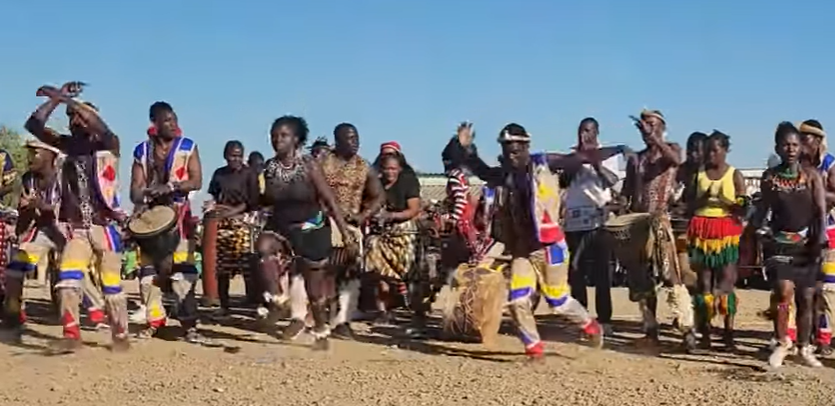
To achieve this, the Old Ground will come alive with the heavy, ancestral thud of traditional drums and two legendary dances:
The Gule waMkulu
The “Great Dance”—a spiritual and masked performance of the Chewa people. It is not mere entertainment; it is a sacred title and a living history lesson that commands respect and commands the attention of the youth.
The Chimtali Dance
A beautifully rhythmic, expressive dance primarily performed by women, echoing the songs, lessons, and pride taught during Chinamwali.
Join the Movement
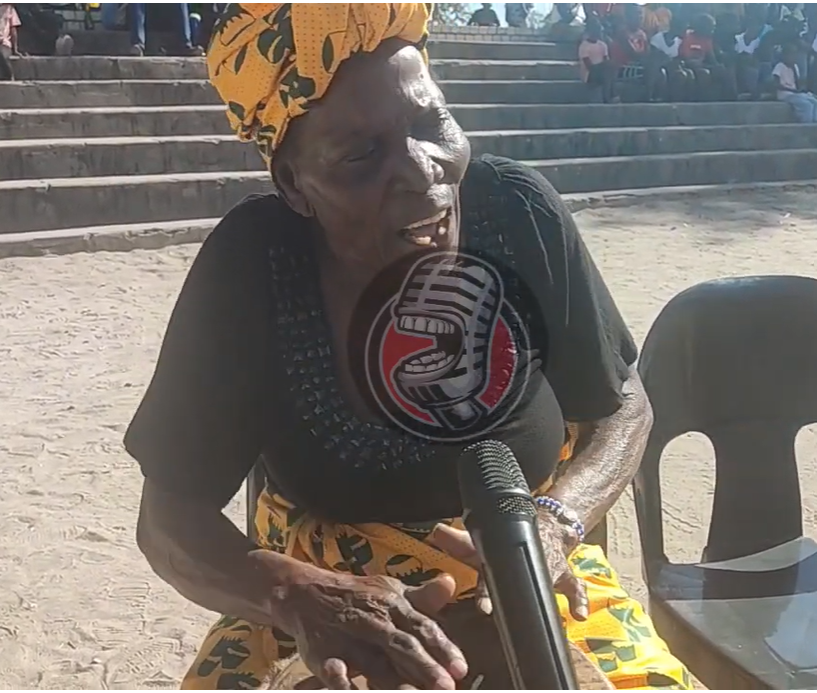
The drums are already sounding in the distance across Hwange. The Nyampungus are preparing their final instructions, the young girls are perfecting their steps on the practice grounds, and the community is standing up to reclaim what belongs to them.
Come to the Old Ground this Saturday for the Hwange Africa Day celebrations. Let us put down our phones, step away from Western distractions, reject the isolation of the internet, and immerse ourselves in a culture that defines exactly who we are.
Let the momentum carry us home.