BY LOMQHELE NXUMALO
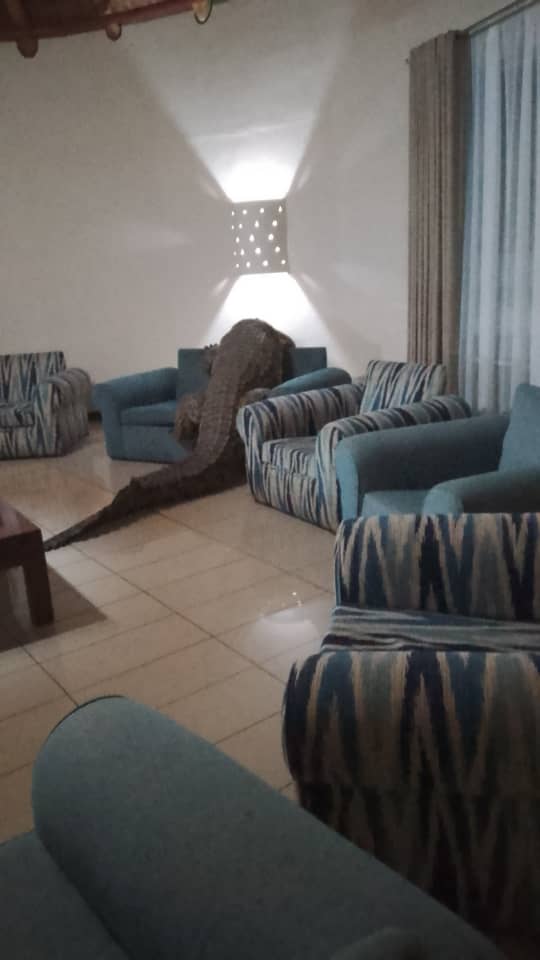
A potential crisis was averted at the Zambezi River Lodge over the weekend (18 April 2026) when a crocodile was discovered on the premises, highlighting the ongoing challenges and successes of Human-Wildlife Conflict (HWC) management in Zimbabwe’s premier tourist destinations.
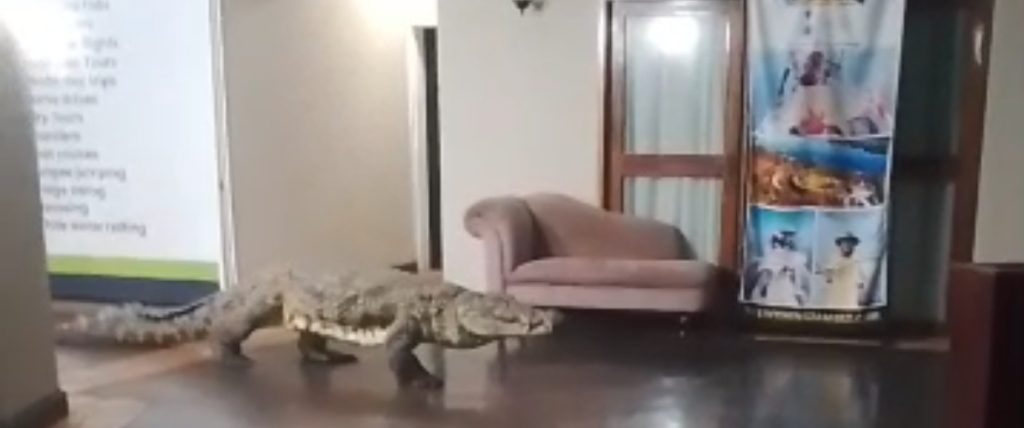
The reptile was first spotted by lodge employees who, leveraging their specialized training, managed the situation calmly until authorities arrived. Zimbabwe Parks and Wildlife Management Authority (ZimParks) reacted swiftly to the report, safely capturing and relocating the animal.
“The crocodile was taken back into the river. No injuries were recorded or damage,” confirmed ZimParks spokesperson, Mr. Luckmore Safuli.
While the weekend’s incident ended peacefully, recent data paints a more sobering picture of the pressures facing Matabeleland North. Between January and November 2025, the province recorded nine deaths and ten injuries resulting from wildlife encounters.Nationally, the scale of the challenge is even more pronounced.
According to ZimParks data, 2025 saw a total of 556 “problem animals” neutralized as a mitigation measure. Tragically, 62 people lost their lives and 81 were injured across the country, a significant shift from the 49 deaths and 90 injuries recorded in 2024.
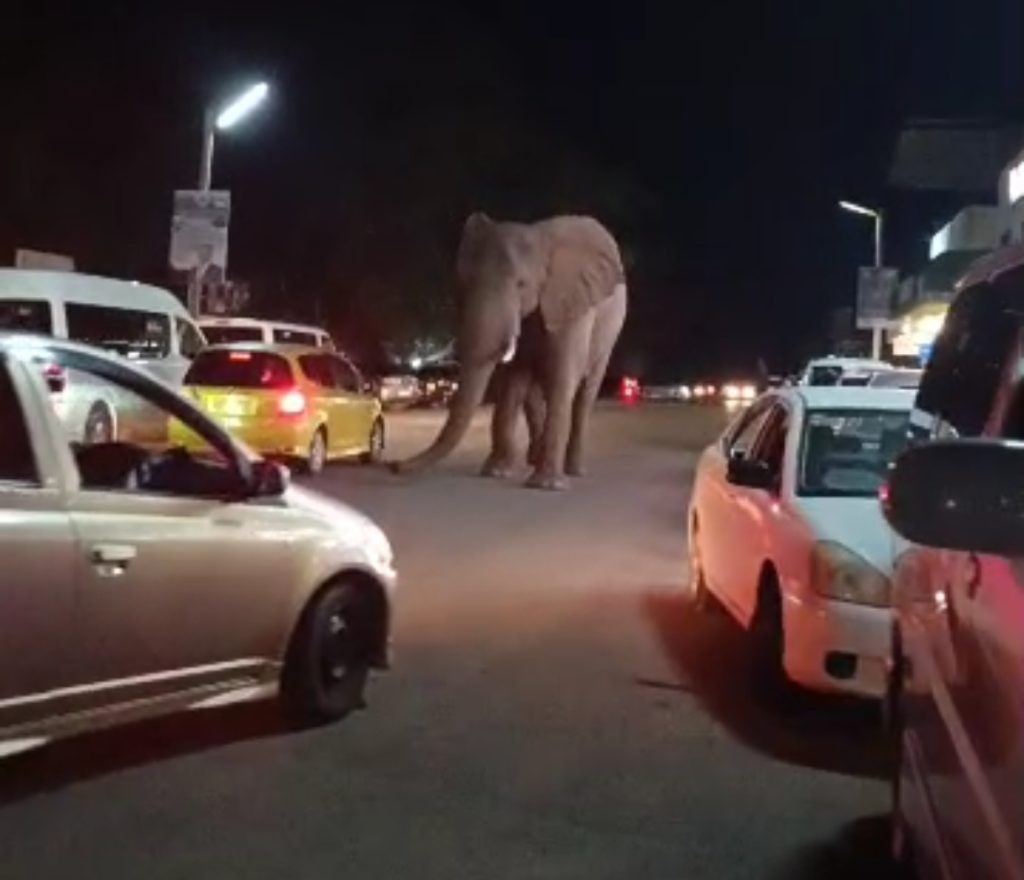
Hotspots for these encounters remain concentrated in districts like Hwange, Binga, Kariba, and Mbire. While hyenas and elephants are frequently cited, crocodiles remain a persistent threat in riverside communities and resort areas.
The surge in wildlife interference is not a random occurrence but a symptom of climate change. As industrialization and urban expansion move closer to protected areas, the natural corridors used by wildlife for centuries are being squeezed.If not monitored, rapid industrial growth can fragment habitats, driving wildlife into human settlements in search of food or passage.
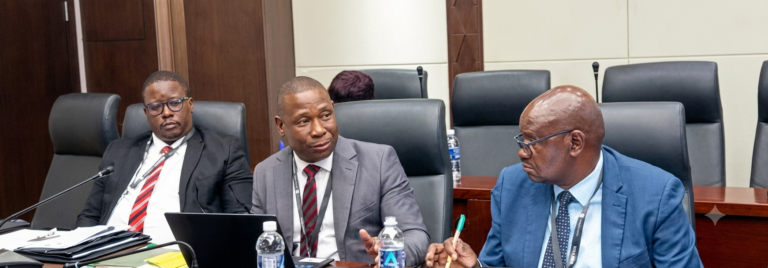
Director General, Professor Edson Gandiwa, emphasizes that environmental shifts are a primary driver of these rising statistics. “Climate change has fundamentally impacted the dynamics of our ecosystems. Our responsibility is to adapt our management approaches while working closely with government agencies, conservation partners, and communities to reduce risk and build resilience,” said Prof. Gandiwa.
The competition for scarce water and grazing resources is intensifying. As droughts become more frequent, both humans and animals are drawn to the same dwindling water points, inevitably leading to friction.
Beyond crocodiles and elephants, communities also grapple with the impact of baboons in residential areas and the ever-present danger of snake bites.
As Zimbabwe continues to grow, the mission remains clear: protecting the lives and livelihoods of its citizens while preserving the natural heritage that makes regions like Victoria Falls and Hwange world-class destinations.