BY LOMQHELE NXUMALO
For many years, Hwange has been famous for both its coal and its giant, sweet mangoes. Every year, people from all over Zimbabwe travel there to buy and sell these big mangoes. Even though local baboons always try to take their share, the mango business has stayed very successful.
However, there is a big problem, the famous mango trees are starting to die. They are drying up from the very top, and residents are worried that the time of Hwange being a mango leader might be coming to an end. Many of these trees were planted long ago, and for years, people simply enjoyed the fruit without realizing that the trees were getting too old.
A baseline survey says several problems are working together to kill the trees. The underground water has become acidic, and there isn’t enough clean water to keep the roots healthy. On top of that, air pollution and natural old age are taking a toll. Perhaps the biggest issue is a lack of care; sometimes, harmful chemicals are poured into the soil, and there hasn’t been enough effort to protect the environment that these trees need to survive.
“We’ve enjoyed the benefits for years without investing in the future,” said one local community organizer. “Trees, like people, get old and need care.”
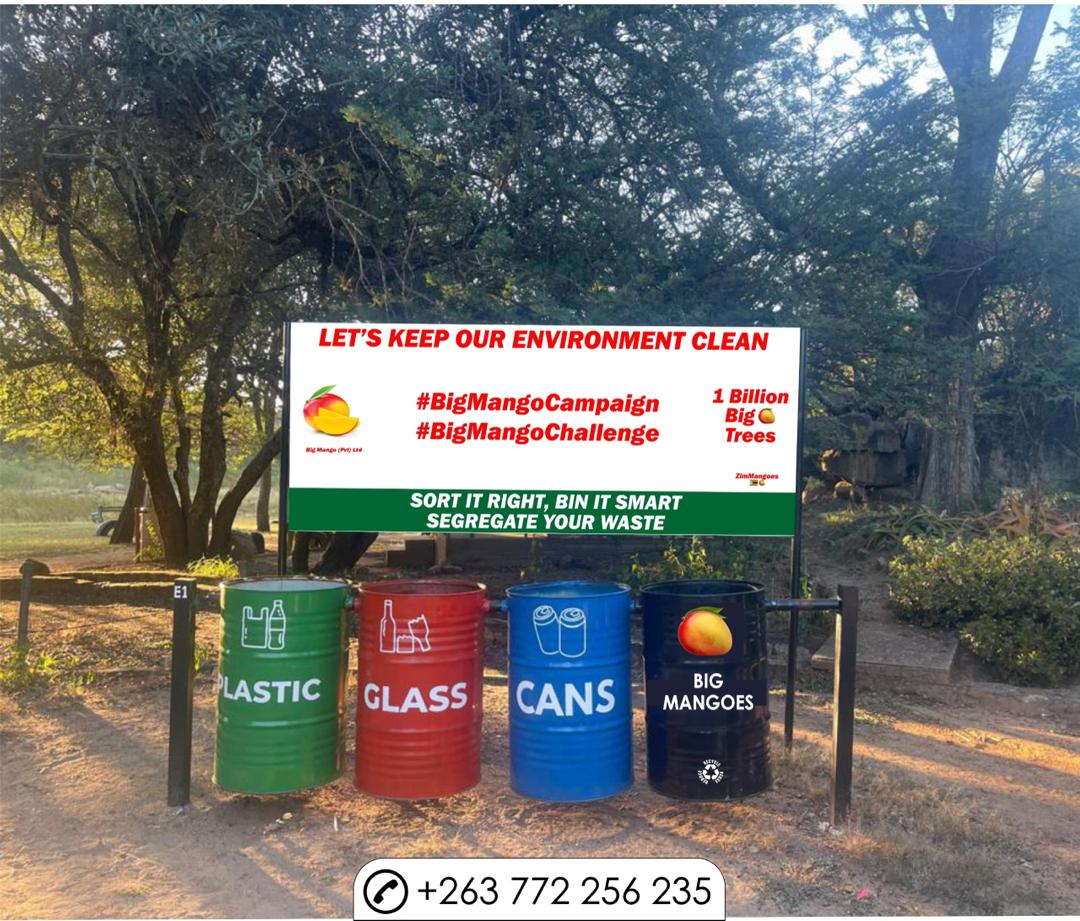
“To fix this, we need to change how we look at our environment. It is no longer enough to just harvest what is there; we must become builders and protectors. This is why we have launched the #BigMangoChallenge. This campaign is about more than just fruit, it is a plan to help 15 districts across Zimbabwe grow their own wealth while saving the planet” said Mr Bashe MoBrown.
“The goal of this movement is to turn our communities into development hubs. We are encouraging everyone to start right where they live. You can begin by creating a small nursery in your backyard using recycled plastic containers. By curbing litter and planting new seeds, you are helping to turn the economy around” he says.
With minimal cost and a little bit of care, Hwange can turn its environmental crisis into an economic turnaround. The “Big Mango” doesn’t just represent a snack; it represents a sustainable future where communities earn an income while looking after the earth.