
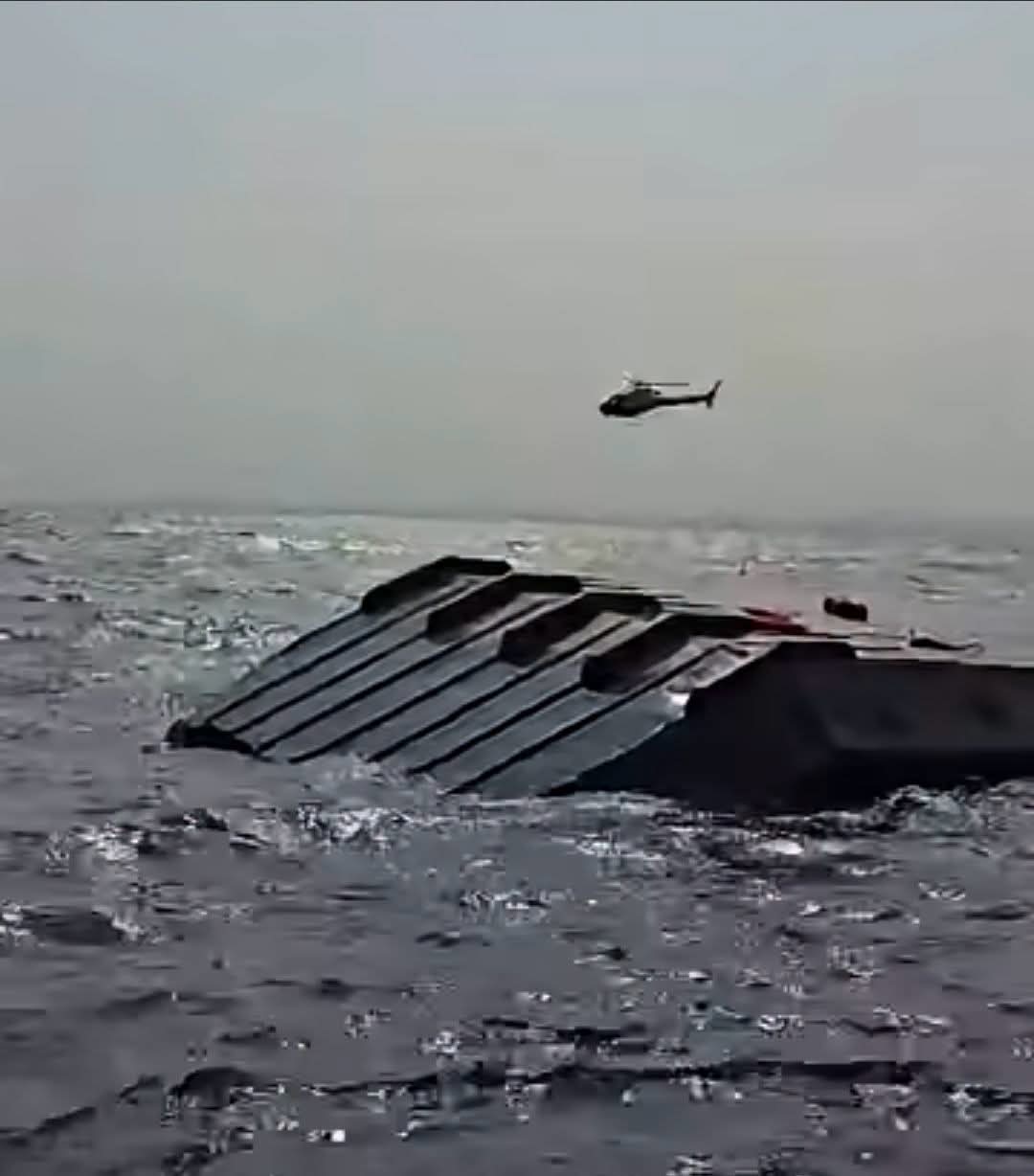
The death toll from the Kariba Rural Infrastructure Development Agency (RIDA) boat disaster has risen to 97, as search and recovery operations continue on Lake Kariba.
The Zimbabwe Republic Police (ZRP) confirmed that two more bodies were recovered from the lake on Thursday afternoon, bringing the total number of people who have died in the disaster to 97.
The tragedy happened on Tuesday, August 11, when a RIDA boat travelling from Kariba towards Chalala capsized after encountering strong waves near Long Island.
Search and rescue teams have been working since the accident to locate those who were on board. The operation has involved the ZRP Sub-Aqua Unit, the Zimbabwe National Army Boat Squadron and other stakeholders.
The disaster has also raised questions about the number of people who were on the boat when it overturned.
The vessel had a carrying capacity of 90 people, but preliminary information indicates that the number of passengers on board exceeded this limit, meaning the boat was overloaded.
Earlier figures had put the number of people on the boat at about 119, although the exact number of passengers and crew who were on board at the time of the accident remains unclear.
The high number of deaths has made the question of how many people were initially on the boat even more important, as authorities continue efforts to account for everyone who may have been travelling on the vessel.
As of Wednesday, August 19, the police had confirmed that 95 people had died, while 93 victims had been positively identified by their next of kin. Two more bodies recovered on Thursday have now pushed the death toll to 97.
More than a week after the accident, bodies are still being recovered as families await news of their loved ones, while search teams continue operations on the lake.
President Emmerson Mnangagwa previously declared the disaster a State of Disaster, allowing government and other stakeholders to coordinate the response and support affected families.
The tragedy is now one of the country’s deadliest boat accidents, with the focus shifting from rescue to recovery, identification of victims and questions surrounding the circumstances that led to the vessel being overloaded.