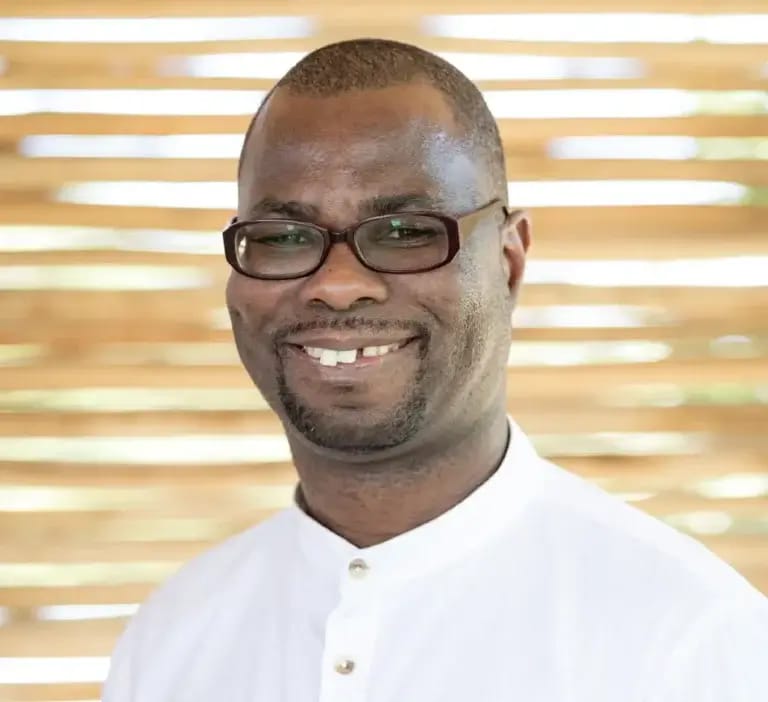
Ahead of the August 1 by-election, Mqondisi Ndlovu is asking the residents of Ward 11 in Victoria Falls to elect him as an independent councillor, without the backing of any political party.
Asked what inspired him to enter the race at this particular moment, Ndlovu explained that the decision grew out of years spent close to the community rather than a sudden ambition. “Over the years, I’ve interacted with residents and seen both the strengths and difficulties facing the ward,” he said. “I felt that this was the right time to step forward and offer my experience, energy and commitment to public service.”
His stated intention, he added, “is to help strengthen communication between residents and local authorities while working collaboratively to find practical solutions to community concerns.”
On why he chose to stand without a party, Ndlovu was equally direct. “I chose to stand as an independent candidate because I believe it allows me to focus entirely on the interests and priorities of Ward 11 residents,” he said. He described independence as something that gives him room to engage across the political divide. “Independence provides flexibility to engage with stakeholders, I mean all stakeholders, regardless of political affiliation and also to evaluate issues based on what is most beneficial for the community,” he said.
He summed up his priorities in a single line: “My focus is on representation, accountability and ensure that the residents’ voices remain at the centre of decision making.”
Turning to the problems facing the ward, Ndlovu listed a set of concerns he says come up repeatedly in his conversations with residents. “From my interaction with residents, key concerns include access to economic opportunities, infrastructure maintenance, service delivery, youth unemployment and the effects of drug and substance abuse,” he said. Asked why these issues have lingered for so long without resolution, he pointed to a mix of structural causes rather than any single failure.
“These challenges have persisted due to a combination of economic pressures, limited resources and gaps in stakeholder coordination,” he said, adding that solving them will require cooperation among local authorities, businesses, communities and residents themselves.
On the question of keeping residents involved once an election is over, rather than only during campaign season, Ndlovu was firm that participation cannot be treated as a once off exercise. “Community participation must be a continuous process, not only limited to election periods,” he said.
He described his priority as “regular work meetings, transparent communication channels, structured feedback mechanism and accessible engagement platforms,” so that residents should have opportunities to raise concerns, contribute ideas and monitor progress on community projects. For Ndlovu, this is tied directly to how he defines good representation.
“Effective representation requires consistent dialogue and accountability,” he said. Much of Ndlovu’s attention turns to the ward’s young people, who he says face a difficult set of pressures with few outlets. “Young people face a range of challenges including unemployment, limited access to skills, development opportunities, substance abuse and social pressure that can affect their future prospects,” he said. His proposed response rests on structured support rather than one off interventions. “Addressing these issues requires investment in skills training and entrepreneurship support, mentorship initiatives and partnership with the educational institutes, business and community organisations,” he said, arguing that young people need opportunities to develop their talents and participate meaningfully in the local economy.
Asked about the role of sport, art and culture in that effort, Ndlovu spoke about them as more than pastimes. “Sports, arts and cultural activities are important tools for youth development,” he said. “They help build confidence, discipline, teamwork, creativity and social cohesion. They also provide constructive alternatives to negative influences,” he said backing community tournaments, cultural events, art programmes and youth clubs can help identify talent, strengthen community identity and create opportunities for personal growth and development.
“Ndlovu also spoke about families under strain, describing them as the foundation the rest of the community rests on. “Strong communities are built on strong families,” he said, twice, in the course of the conversation. He wants support for vulnerable households to include improving access to social welfare programmes, community support networks, skills development initiatives and income generating opportunities, achieved through what he called “collaboration with churches, NGOs, businesses and local authorities” so that families facing hardship receive practical assistance and support.
On safety and gender based violence, Ndlovu placed the responsibility squarely on local leadership. “Local leadership has a responsibility to promote safety and inclusive communities,” he said, listing supporting awareness campaigns, strengthening report and support mechanisms for survivors, encouraging community dialogue and working with relevant institutes as part of that duty.
He tied this to a second commitment, saying efforts should also support women’s participation in the economy, social and economic development initiatives, ensuring that equal opportunities are there for all.
Asked about the root causes of substance abuse in the ward, Ndlovu again resisted framing it as a youth problem alone. “Drug and substance abuse is often linked to unemployment, lack of recreational opportunities, peer pressure, family challenges and mental health concerns,” he said.
He described the response as one that has to involve the whole community, saying it requires a community wide response involving parents, schools, churches, health professionals, community leaders and law enforcement, with prevention, awareness, counselling, rehabilitation support and youth engagement programmes all having a role to play.
Asked, finally, what success would look like if residents put their trust in him on August 1, Ndlovu did not point to a single project or promise. “My success will be measured by tangible improvements in community engagement, stronger collaboration between residents and local authorities on priority development projects, increased opportunities for young people and improved support for vulnerable groups,” he said.
He added that establishing transparent and accountable systems that ensure residents remain informed and involved in matters affecting the community would matter just as much as any single achievement.
In his own words, “the ultimate measure of success will be the community that feels heard, respected and actively engaged in shaping its future.” Whether Ward 11 chooses to place that trust in a candidate without a party behind him will be decided on August 1.