
Matebeleland North training on Climate Change Communication and Carbon Credits Seminar
By Tinashe Raphael Matika. Policy Analyst
On Thursday 25 September 2025 the office of the Minister of State for Provincial Affairs and Devolution, Lupane State University and Public Policy Research Institute of Zimbabwe partnered in a seminar to empower residents of Matabeleland North Province through the dissemination of inormation on matters of climate change communication and carbon credits. The seminar was officiated by Hon Senator A. Dube on behalf of the Minister of State for Provincial Affairs and Devolution Matabeleland North Hon R. Moyo.
To enhance community understanding this article explores in brief what Carbon Credits are and closes with the key takeaways from the Minister of State for Provincial Affairs and Devolution speech which touched on why it is important that communities understand what Carbon Credits are and why it is critical to not leave behind communities as the country strives to tap into the opportunities presented by green economies.
Carbon credits are tradable certificates representing one ton of carbon dioxide (or equivalent greenhouse gas) removed from or avoided in the atmosphere, serving as a market-based tool to lower emissions. Projects such as reforestation or renewable energy generate these credits by reducing emissions. Companies can buy credits to offset their unavoidable emissions, meeting targets or complying with regulations in both mandatory and voluntary markets. Carbon credit projects are initiatives that sequester carbon or prevent it from being emitted by creating carbon credits. These projects must be verified by an independent body to ensure the emissions reductions are real, permanent, and additional—meaning they wouldn’t have happened without the credit revenue.
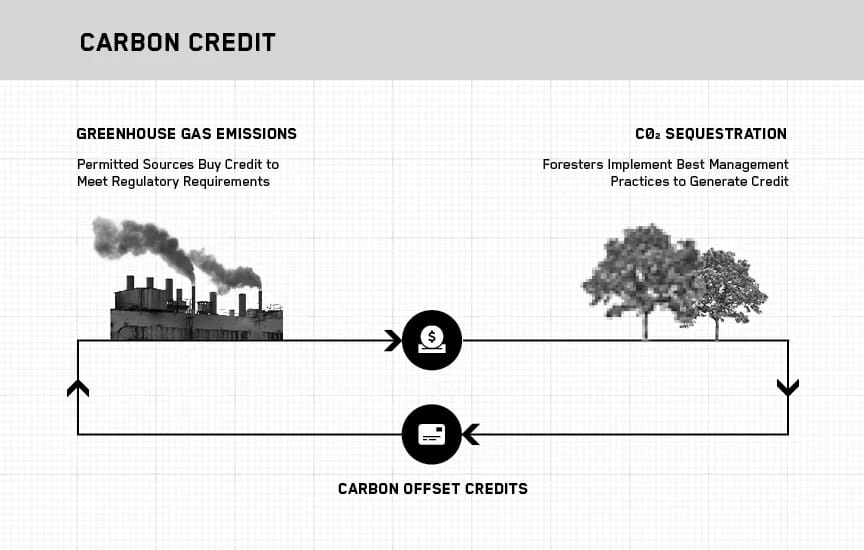
Credits are issued with unique identifiers and sold on carbon markets ergo a company that buys a credit is essentially funding the emissions reduction project, allowing the company to compensate for its own emissions. In regulated markets, governments set a cap on total emissions. Companies receive or buy allowances (similar to credits), and those exceeding their limit must purchase credits from others to stay within the cap. Individuals and companies can also buy carbon credits to voluntarily reduce their carbon footprint and invest in sustainable projects.
Each credit represents the reduction or avoidance of one metric ton of carbon dioxide. Potential benefits of Carbon credits is they provide a financial incentive for companies to reduce emissions and invest in clean energy solutions, promoting sustainable development. It must be noted that some critics argue that credits enable companies to avoid making significant changes to their own operations and continue polluting. There are also concerns about the integrity of some projects and potential human rights issues associated with them.
It was highlighted that Zimbabwe is developing its carbon credit market by implementing regulations for transparency and accountability, including the Carbon Trading (General) Regulations, 2025. The Zimbabwe Carbon Markets Authority (ZiCMA) which is an integral part of the Climate Change Management Department is dedicated to overseeing, regulating and promoting a transparent, credible and efficient carbon market in Zimbabwe. Its mission is to position Zimbabwe as a key player in the global carbon marketplace by ensuring carbon projects align with international standards of best practice and contribute to sustainable development. All these developments are designed to aide Zimbabwe’s transition to a compliance-focused market by 2026, building on a major forestry project, and launched a blockchain-based registry in 2025 to track and verify carbon credits. These efforts aim to attract investment, fulfill climate commitments under the Paris Agreement, and ensure local communities benefit from these initiatives.
The Carbon Trading (General) Regulations (2025) aim to create a transparent and accountable framework for all carbon credit projects in Zimbabwe which is how Zimbabwe is phasing out voluntary credits and intending to switch to a compliance-only market by 2026. In 2025 Zimbabwe launched a blockchain-based registry and it provides immutable and transparent records for carbon credits.The system increases investor confidence by ensuring the integrity of the trading process and allowing anyone to verify project details and registration certificates. The registry was developed with the assistance of Dubai-based carbon market infrastructure provider, A6 Labs. The new regulations are designed to prevent exploitation, ensure communities benefit from projects, and enhance the integrity of carbon credits ultimately avoiding the limitations of previous carbon credit projects, like the Kariba REDD+ project, faced scrutiny for lack of community benefits and questionable effectiveness in reducing carbon emissions.

Through his speech that was delivered by Hon Senator A Dube the Minister of State for Provincial Affairs and Devolution appreciated the collective efforts dedicated towards ensuring that marginalized communities are recipients of Climate communication that enhances their understanding of Carbon credits and the opportunities they present. The Minister’s opening statement read “I am honored to be here today for this important seminar on Climate Change Communication and Carbon Credits in Matabeleland North. This is more than just a meeting, it’s a chance for us to learn, share ideas, and take action together,” said the Minister.
The Minister opined that Climate change is no longer something far away and conceptualized at an international stage rather its disproportionate impacts can be felt all across Zimbabwe and Matabeleland North Province in particular. Evidence of the adverse impacts of Climate change can be drawn from the increase in temperatures that exacerbate loss of biota , prolonged droughts, variations in rainfall patterns that leverages our food security as a Country. These challenges have a collective disastrous impact on people’s livelihoods and welfare, local cultures and the economy at large.
The Minister underscored how the seminar created a platform to enhance partnerships between government, private companies, civil society and communities. He called upon various stakeholders to share ideas on sustainable climate action and how to better our climate communication methods. The Honourable Minister buttressed that when farmers, youths, women and other community members truly understand the drivers of Climate change and the opportunities for collective Climate action then our communities can make better decisions and protect their land not just for our benefit but also for the benefit of future generations.
He highlighted a great opportunity available through the new business frontier that is carbon sequestration projects, he further highlighted that learning from other countries teaches us that there are over a 100 potential projects that can be pursued under Carbon Credits, “With our land, forests and farming potential Matabeleland North can benefit from projects like tree planting, conservation farming and clean energy. If done well, these projects can bring income, create jobs, support services, and help the environment, said the Minister.
In his concluding remarks, Hon Moyo thanked the organizers of the event and encouraged that such programs continue right down to the districts and ward levels. The more informed the communities are, the stronger and more prepared communities will be to tap into these opportunities. The Minister reiterated that inorder for carbon credit programs to work they must be transparent, fair and beneficial to the grassroots who are the major victims of climate change. Local communities must be involved and benefit directly especially special interest groups such as Women and the Youths. Their voices must be heard throughout the planning and management of these projects, he further noted that without fairness, transparency and a social license these efforts are likely to fail because solutions to existential threat we face from Climate change need to be pro-people and community centred.