
Vision for Zimbabwe-Zambia Collaboration at the 2025 Summit
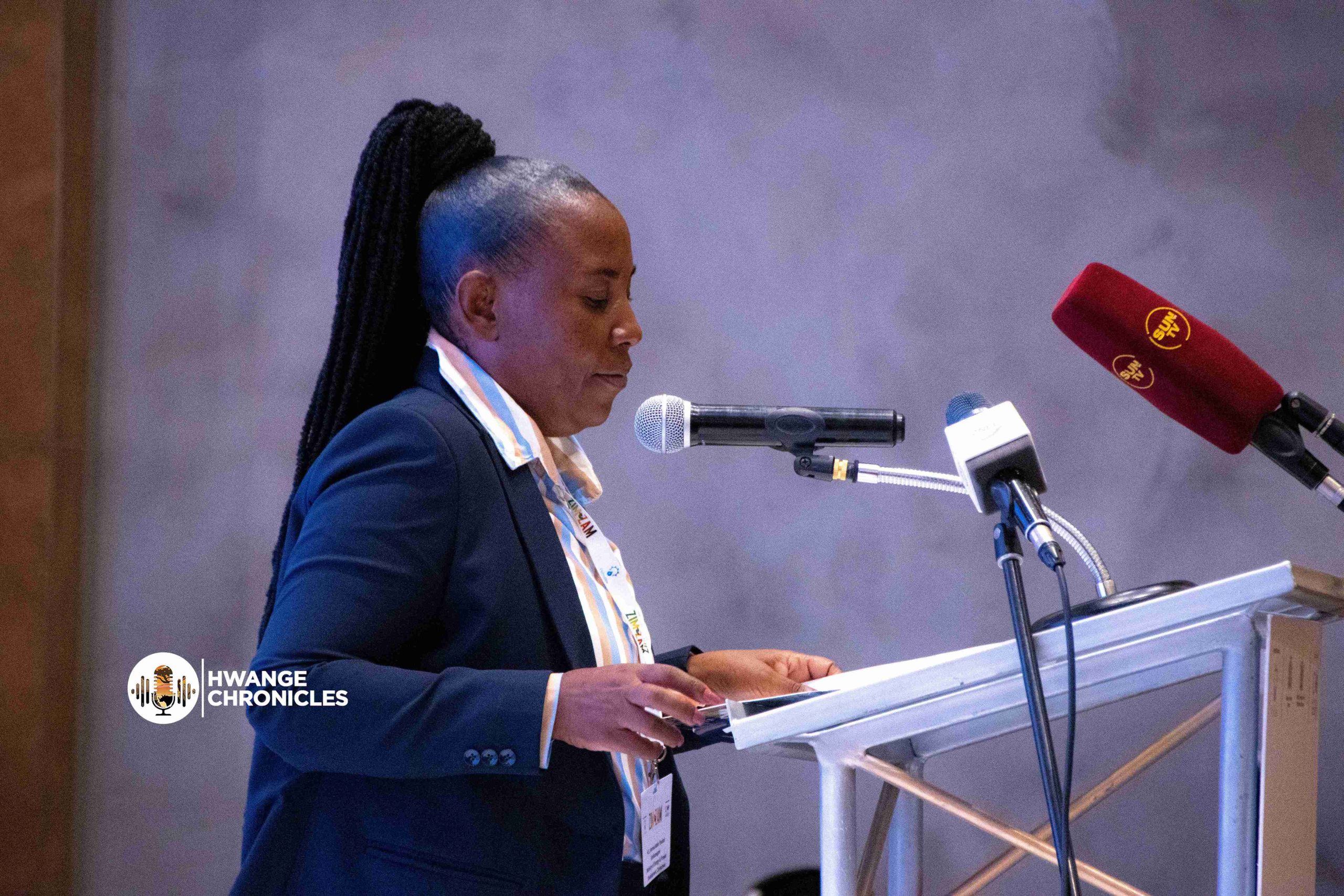
On November 26, 2025, the picturesque city of Livingstone, Zambia, served as the backdrop for the official opening ceremony of the Zimbabwe-Zambia Energy Projects Summit. Honourable Yeukai Simbanegavi, Deputy Minister of Energy and Power Development for Zimbabwe, delivered insightful remarks that underscored the significance of collaboration between the two nations in addressing energy challenges and shaping a sustainable future.
In her opening statements, Simbanegavi expressed her honor at addressing a gathering that symbolizes the unity and shared goals of Zimbabwe and Zambia. “Our two countries share a common heritage and common resources, which forever bind us together as a people,” she noted, emphasizing the importance of fostering relations that transcend colonial borders.
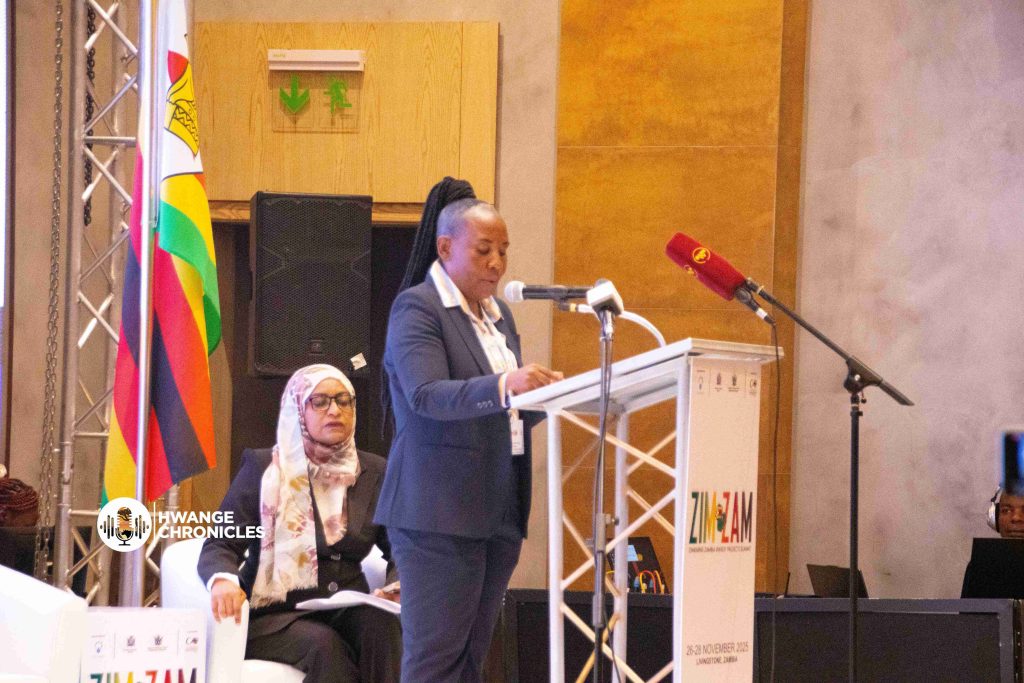
The Deputy Minister acknowledged the urgency of cross-border collaborations in overcoming energy challenges, stating, “The energy challenges that we have experienced over the years have reminded us that we have veins which knit us together beyond our border lines.” This interconnectedness, she asserted, is vital for both nations as they navigate the complexities of energy supply and demand.
Highlighting the theme of this year’s summit, “Mines and Energy: Fast-Tracking Private Sector Projects,” Simbanegavi pointed to the critical role of the mining sector in energy generation. Emphasizing this symbiotic relationship, she remarked, “Mines require reliable and affordable power supply,” further stressing the importance of energy minerals for sustainable development. “We have vast reserves of Lithium, Cobalt, Manganese, Graphite, and Nickel in Zimbabwe, which are crucial for battery manufacturing.”
The Deputy Minister also shared Zimbabwe’s strategic shift toward attracting private sector investment in energy. “As Zimbabwe transitions from the National Development Strategy 1 (NDS1) to National Development Strategy 2 (NDS2), more private sector investments are expected in the electricity sector,” she revealed. With plans for Independent Power Producers (IPPs) to generate significant clean energy, Simbanegavi highlighted the pressing need for funding and financial risk mitigation.
She outlined various incentives introduced by the Zimbabwean government to stimulate investment, including the reduction of licensing fees and the provision of Government Project Support Agreements (GPSA) to mitigate risks for investors. “We are confident that this document is a tool that will give comfort to investors,” she stated.
In her remarks, Simbanegavi also underscored Zimbabwe’s commitment to regional integration, referencing the Southern African Power Pool (SAPP) and the importance of developing cross-border transmission lines. “We are prioritizing the implementation of cross-border transmission lines and interconnectors such as MOZISA and ZIZABONA,” she affirmed, signaling a dedication to harmonized policies that facilitate power trade.
Looking ahead, she invited participants to explore the opportunities within Zimbabwe’s energy sector, particularly during the planned spotlight session. “Ultimately, we are geared towards a more competitive and efficient, private sector-driven energy market,” she concluded.
As the summit unfolded, the discussions resonated with hope and determination, reflecting a shared vision for a sustainable and prosperous energy future for both Zimbabwe and Zambia. Through collaborative efforts in the energy sector, these two nations are setting the stage for transformative growth in the Southern African region.