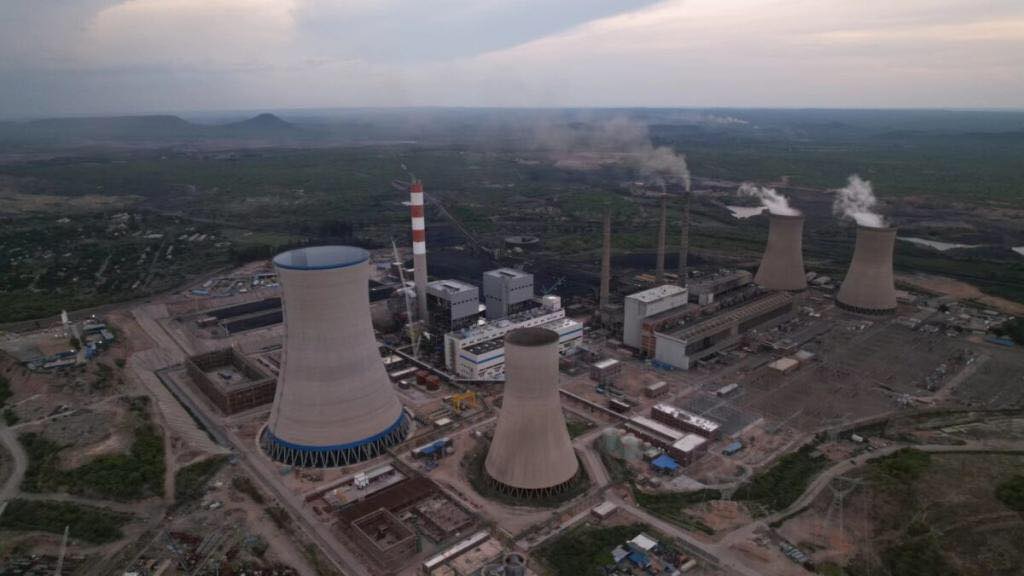
The units were built in two stages starting in the 1970s, with commissioning taking place in phases throughout the 1980s.
In his year-end message to stakeholders and employees, ZESA Holdings Acting Group Chief Executive Officer, Engineer Cletus Nyachowe, said the repowering project is meant to stabilise the national grid and restore the plant’s original output of 920MW, helping to fill gaps in generating capacity.
“A major highlight this year has been the partnership with Jindal Steel and Power. The signing of the US$450 million concession agreement this December after a year-long negotiation marks a pivotal moment for the ZESA Group in general and the Zimbabwe Power Company in particular.”
The 15-year agreement with Jindal is aimed at boosting power generation, with the first four years dedicated specifically to rehabilitating Hwange Units 1 to 6.
The refurbishment is expected to add 400 MW to the national output over the next 48 months.
The repowering will involve replacing critical equipment in Units 1 to 6, including boilers, turbines, and generators.
Construction on the first stage (Units 1–4) began in 1973 but was delayed in the mid-1970s due to economic sanctions. Each of these units has a capacity of 120 MW.
The second stage (Units 5–6) followed immediately afterwards and had larger units with a capacity of 220 MW each.